

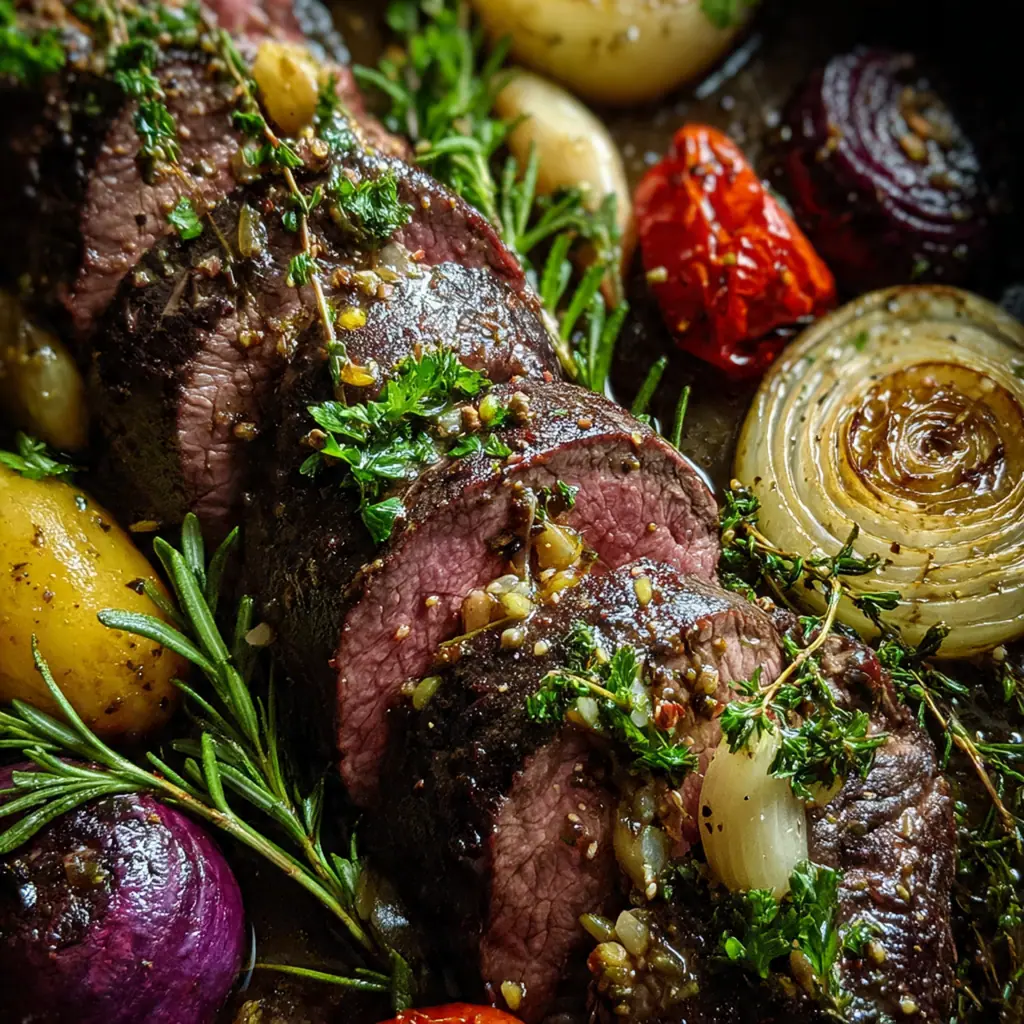
This easy roasted beef tenderloin turns an impressive cut of beef into a simple, foolproof main dish you can pull off any night of the week. It’s the kind of centerpiece that feels special for a holiday but is honestly simple enough for a regular Sunday dinner. As an American classic, the magic is in letting the quality of the beef shine through a savory crust and a perfect, juicy interior. You’ll be amazed how a few pantry staples and one skillet can deliver such a showstopping result.
Why You'll Love This Recipe
- Only fifteen minutes of hands-on prep for an impressive main course
- The savory herb and mustard crust creates incredible flavor with zero fuss
- Cooks quickly for a tender, juicy roast every single time
- The simple pan sauce adds a rich finish without extra work
- I make this for every special occasion and it never fails to impress
Ingredients You’ll Need
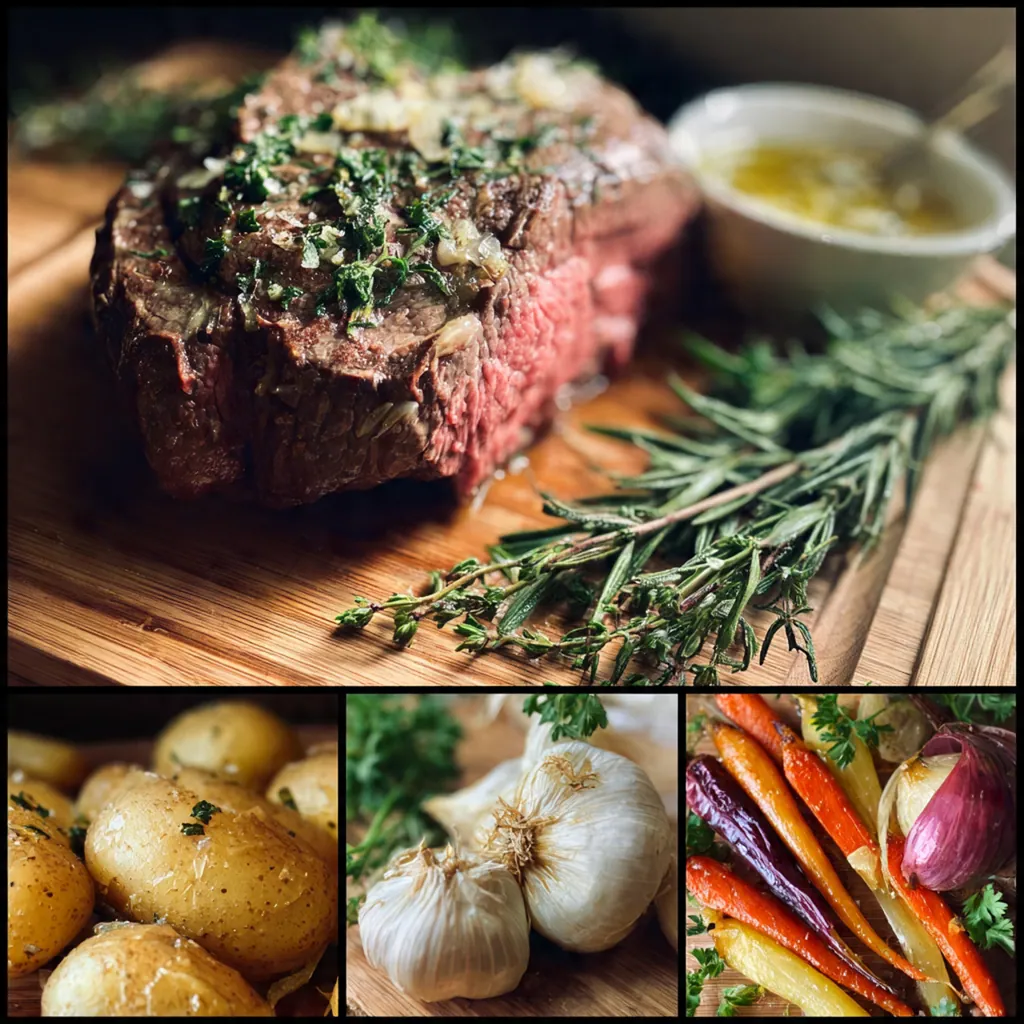
- Beef tenderloin: This is the most tender cut of beef, prized for its buttery texture and mild flavor. Look for a piece that’s evenly thick for consistent cooking.
- Olive oil: It helps create the base for our flavorful paste and ensures a beautiful sear. A good extra virgin olive oil adds a nice fruity note.
- Garlic: Minced fresh garlic infuses the crust with aromatic warmth. Fresh cloves always beat pre-minced for the best punch of flavor.
- Fresh rosemary: Its piney, woodsy fragrance is classic with beef. Chopping it finely helps release its oils and distribute the flavor evenly.
- Fresh thyme: Offers a subtle, earthy complexity that complements the rosemary perfectly. Strip the leaves from the stems for the best texture.
- Kosher salt: The coarse grains season the meat deeply and help form that crave-worthy crust. It’s easier to control than fine table salt.
- Black pepper: Freshly ground pepper provides a sharp, aromatic heat that cuts through the richness of the beef. Pre-ground loses its potency.
- Dijon mustard: Acts as a flavor powerhouse and helps the herb paste cling to the meat. Its tangy sharpness balances the fat beautifully.
- Worcestershire sauce: Adds a deep, savory umami boost with hints of vinegar and spice. It’s the secret ingredient that makes the crust sing.
- Smoked paprika: Gives a subtle smokiness and a gorgeous red hue to the exterior. Just a teaspoon makes a big difference.
- Beef broth: Forms the base of our quick pan sauce, deglazing all the tasty browned bits from the skillet. Use low-sodium to control the salt.
- Unsalted butter: Swirled in at the end, it creates a silky, glossy sauce that coats the back of a spoon. It adds a touch of richness.
How to Make It
Preheat and Prepare:
Start by preheating your oven to 425°F and letting the beef tenderloin sit out on the counter. Taking the chill off the meat ensures it cooks evenly from edge to center, giving you that perfect gradient of doneness.
Pat the Beef Dry:
Use paper towels to thoroughly pat the entire surface of the tenderloin until it’s completely dry. This might seem small, but it’s crucial for the seasoning to stick and for you to get a deeply browned, crispy sear instead of steaming the meat.
Make the Flavor Paste:
In a small bowl, combine the olive oil, minced garlic, chopped herbs, salt, pepper, Dijon, Worcestershire, and smoked paprika. Mash and stir it until it becomes a cohesive, thick paste. This paste is your flavor blanket, and mixing it well means every bite is seasoned perfectly.
Season the Tenderloin:
Rub the entire paste mixture all over the beef tenderloin, using your hands to coat every side and end generously. Don’t be shy here; you want a complete, even layer that will transform into the herb crust in the oven.
Sear for a Golden Crust:
Heat a large, oven-safe skillet over medium-high heat until it’s very hot. Carefully place the seasoned tenderloin in the dry, hot skillet and let it sear undisturbed for 2-3 minutes per side until a deep golden-brown crust forms. This step builds incredible flavor and texture.
Roast to Your Perfect Doneness:
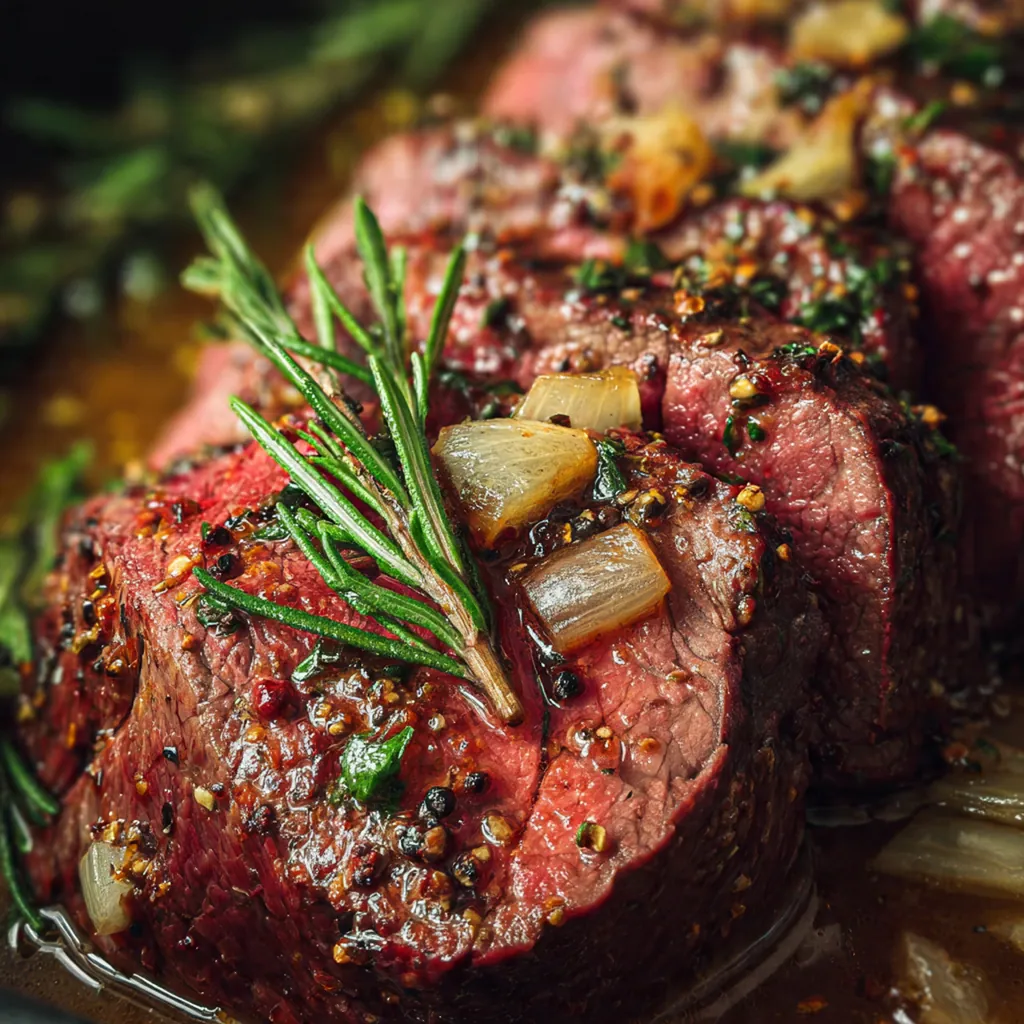
Immediately transfer the entire skillet to your preheated oven. Roast until an instant-read thermometer inserted into the thickest part reads 135°F for medium-rare, which usually takes 15 to 20 minutes. The thermometer is your best friend for perfect results every single time.
Rest the Meat:
Carefully remove the skillet from the oven and transfer the beef to a cutting board. Tent it loosely with foil and let it rest for a full 10 minutes. This pause lets the frantic juices settle back throughout the meat, guaranteeing a juicy slice.
Whip Up the Pan Sauce:
While the beef rests, place the same skillet over medium heat on the stovetop. Pour in the beef broth and use a wooden spoon to scrape up all the delicious browned bits stuck to the pan. Let it simmer and reduce for a few minutes to concentrate the flavor.
Finish the Sauce:
Turn off the heat and stir in the cold butter until it’s fully melted and the sauce becomes glossy and slightly thickened. Taste it and add a pinch more salt or pepper if you think it needs it. This simple sauce is liquid gold.
Slice and Serve:
Using a sharp knife, slice the rested beef tenderloin against the grain into thick, beautiful slices. Arrange them on a platter, drizzle everything with that warm pan sauce, and garnish with a few extra herb sprigs for a gorgeous presentation.
You Must Know
- Patting the beef dry is non-negotiable for a proper crust
- Always let the meat rest after roasting for maximum juiciness
- Use a meat thermometer for perfect doneness every time
- The pan sauce is easy and makes the whole dish
- I never skip the sear, it’s where the magic starts
Storage Tips
You can store any leftover easy roasted beef tenderloin in an airtight container in the fridge for up to three days. I like to keep the slices with a bit of the pan sauce to keep them moist. They reheat beautifully in a 300°F oven for about 10 minutes, or you can enjoy them cold – they’re fantastic in sandwiches or sliced over a hearty salad. The pan sauce can be stored separately in the fridge and gently reheated in a small saucepan with a splash of broth if it thickens up too much.
Ingredient Substitutions
If you’re out of fresh herbs, you can use dried – just remember that dried herbs are more potent. Use about one-third of the amount called for (so one teaspoon each of dried rosemary and thyme). For the Worcestershire, soy sauce or tamari can work in a pinch for that savory hit, but the flavor profile will shift a bit. If you don’t have Dijon, a whole-grain mustard or even a yellow mustard will do, though Dijon’s sharpness is ideal. For a dairy-free version, simply omit the butter from the pan sauce or use a plant-based alternative; the sauce will still be tasty from the reduced broth and fond.
Serving Suggestions
This easy roasted beef tenderloin truly shines with simple, elegant sides that don’t compete for attention. I love it with the classic pairing of creamy mashed potatoes or decadent scalloped potatoes to soak up all that glorious pan sauce. For something green, roasted asparagus, sautéed green beans, or a bright arugula salad with shaved parmesan and lemon vinaigrette are perfect. Don’t forget a basket of warm, crusty bread for mopping up your plate, and a dollop of horseradish cream on the side for those who love a little zing.
Cultural Context
Beef tenderloin, often called filet mignon when cut into steaks, holds a cherished place in American celebratory cooking, synonymous with luxury and special occasions like Christmas dinner or elegant dinner parties. Its preparation reflects a straightforward, ingredient-focused approach where technique aims to highlight the natural quality of the beef rather than mask it. This method of searing and roasting, finished with a simple pan sauce, is rooted in classic French technique but has been wholly adopted into the American home cook’s repertoire for its reliability and impressive results. It’s a dish that speaks to the idea that sometimes the most luxurious meals are also the simplest to execute, turning a home kitchen into a steakhouse for the evening.
Pro Tips
- Let the beef come to room temp for 30 minutes before cooking
- Don’t move the meat while searing – let a crust form
- 135°F internal temperature is perfect for medium-rare
- Resting is just as important as the roasting time
- I always deglaze the pan – those browned bits are flavor bombs
Frequently Asked Questions
The recipe specifically calls for a 2-3 pound whole beef tenderloin, trimmed of excess fat and silver skin. This cut, also known as filet mignon when sliced, is naturally tender and lean, making it perfect for quick, high-heat roasting as described. It’s the most tender cut of beef, so it cooks fast and stays juicy.
You can prep the herb paste and coat the tenderloin up to 24 hours in advance, storing it covered in the fridge—this actually helps the flavors penetrate. For serving, it’s best cooked just before eating. Leftovers, however, make amazing sandwiches or salads for up to 3-4 days when stored properly in the refrigerator.
If you don’t have fresh herbs, you can use dried. Since dried herbs are more potent, use one-third the amount: about 1 teaspoon each of dried rosemary and thyme. Crush the dried rosemary slightly before mixing to release its oils and avoid a woody texture in your easy roasted beef tenderloin crust.
The most reliable method is using an instant-read meat thermometer. For medium-rare, aim for an internal temperature of 130-135°F after resting. The tenderloin will continue to cook from residual heat. Visually, the crust should be deeply browned and the meat will feel firm but yielding when pressed for medium-rare doneness.
This classic American main dish pairs beautifully with creamy mashed potatoes, roasted asparagus or green beans, and a simple side salad. For a special occasion, add horseradish cream sauce or a red wine reduction. The pan juices mixed with the butter and beef broth create a simple, flavorful sauce perfect for drizzling.