

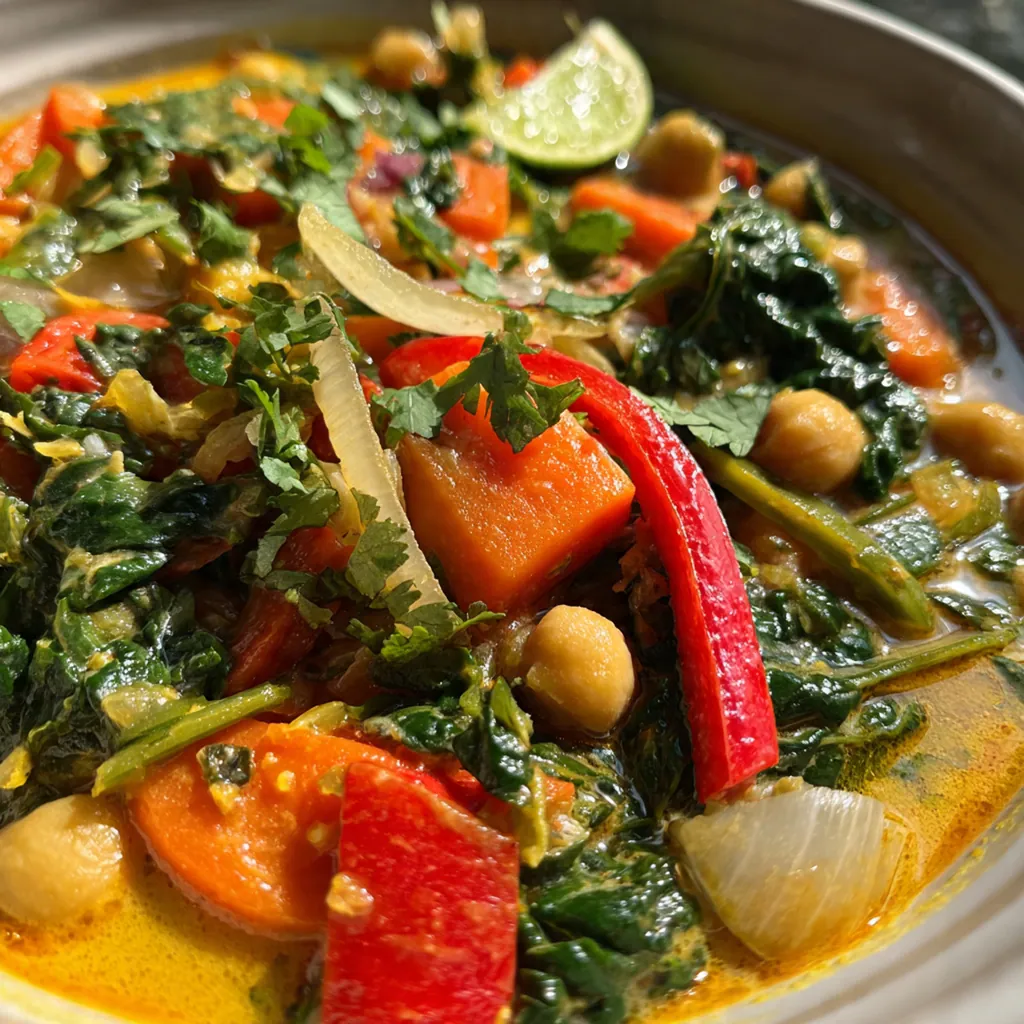
This vibrant coconut curry has become my absolute go-to for turning a busy weeknight into something truly special. It simmers tender vegetables and tofu in a luxuriously creamy sauce that’s infused with authentic Thai aromatics for a rich, flavor-packed meal. You’ll love how the one-pot method makes it incredibly approachable, while still delivering that comforting, complex taste you crave from a restaurant. It’s a complete, protein-packed dinner that brings a bit of Thai tradition right to your table with minimal fuss.
Why You'll Love This Recipe
- It’s a complete, protein-packed meal in one pot for busy nights
- The creamy dairy-free sauce is incredibly satisfying and vegan-friendly
- You can easily swap in your favorite vegetables or protein
- It captures authentic Thai flavors without any hard-to-find ingredients
- Honestly, I make a double batch just for the leftovers
Ingredients You’ll Need
- Vegetable oil: for sautéing the aromatics and building a flavor base, a neutral oil like avocado or grapeseed works perfectly without overpowering the delicate spices.
- Yellow onion: provides a sweet, savory foundation that melts into the sauce, choose one that feels firm and has papery, golden skin for the best flavor.
- Garlic and fresh ginger: the essential aromatic duo that creates an incredible fragrance, look for plump garlic cloves and a knob of ginger with smooth, taut skin.
- Red curry paste: the flavor powerhouse that gives this coconut curry its signature heat and depth, check the label for quality ingredients like lemongrass and galangal.
- Full-fat coconut milk: the key to that rich, creamy body and luxurious mouthfeel, don’t skimp here as the light version will make the sauce thin and less satisfying.
- Vegetable broth: adds depth and rounds out the sauce without making it too heavy, a good low-sodium broth lets you control the final seasoning.
- Carrot: brings a subtle sweetness and satisfying bite, slice them evenly so they cook at the same rate as the other vegetables.
- Red bell pepper: adds vibrant color and a fresh, crisp texture that brightens the whole dish, pick one that feels heavy for its size with shiny skin.
- Eggplant: soaks up the creamy coconut curry sauce and becomes wonderfully tender, smaller varieties tend to have fewer seeds and a sweeter flavor.
- Firm tofu: provides plant-based protein and a fantastic texture that holds its shape, pressing it first is a game-changer for better flavor absorption.
- Soy sauce or tamari: adds that essential salty, umami depth, use tamari for a gluten-free version of this coconut curry.
- Fresh lime juice: the non-negotiable finishing touch that brightens all the rich flavors, bottled juice just can’t compare to the real thing.
- Coconut sugar: a tiny bit balances any sharp acidity and rounds out the spice, it’s optional but I find it makes the flavors sing.
- Fresh Thai basil: adds a final layer of anise-like aroma that’s distinctly Thai, regular basil works in a pinch but the flavor profile will shift.
How to Make It
Heat the Oil and Cook the Aromatics:
Start by warming your vegetable oil in a large Dutch oven or deep skillet over medium heat. Once it shimmers, add your thinly sliced onion and let it cook until it turns soft and translucent, which takes about five minutes. This gentle cooking builds a sweet foundation for your coconut curry. Then stir in the minced garlic and grated ginger, cooking just until you get that incredible fragrance wafting up, which happens in about a minute.
Bloom the Curry Paste:
Push the aromatics to the side and add your red curry paste right into the oil. Let it cook for a full minute, mashing and stirring it constantly. This crucial step, called blooming, wakes up the dried spices and toasts them in the fat, transforming the paste from raw and sharp to deeply aromatic and complex. You’ll know it’s ready when the color darkens slightly and the smell becomes wonderfully pungent.
Create the Creamy Sauce Base:
Pour in your full-fat coconut milk and vegetable broth all at once, then use your spoon to scrape up any delicious bits stuck to the bottom of the pot. Stir everything together until it’s fully combined and bring the mixture to a gentle simmer. You’re not looking for a rolling boil, just those first lazy bubbles around the edges. This is where your luxuriously creamy coconut curry sauce is born.
Start with the Harder Vegetables:
Add your sliced carrots to the simmering sauce and let them cook for about five minutes on their own. Carrots take a bit longer to become tender than the other veggies, so giving them this head start ensures everything finishes cooking evenly. You want them to just begin softening but still have a slight bite before you add the rest.
Add the Remaining Vegetables:
Now toss in your strips of red bell pepper and cubes of eggplant, gently pressing them down so they’re mostly submerged in the creamy liquid. Let everything simmer uncovered for ten to twelve minutes, or until the eggplant is tender and the peppers are just cooked through but still vibrant. Stir it occasionally to make sure nothing sticks and everything cooks evenly in that amazing coconut curry sauce.
Incorporate the Tofu and Final Seasonings:
Carefully add your pressed tofu cubes to the pot, along with the soy sauce, fresh lime juice, and a pinch of sugar if you’re using it. Stir gently to coat the tofu without breaking it apart, then let the whole pot simmer for another five minutes. This final simmer gently heats the tofu through and allows all the flavors to meld together beautifully.
Finish with Fresh Herbs and Serve:
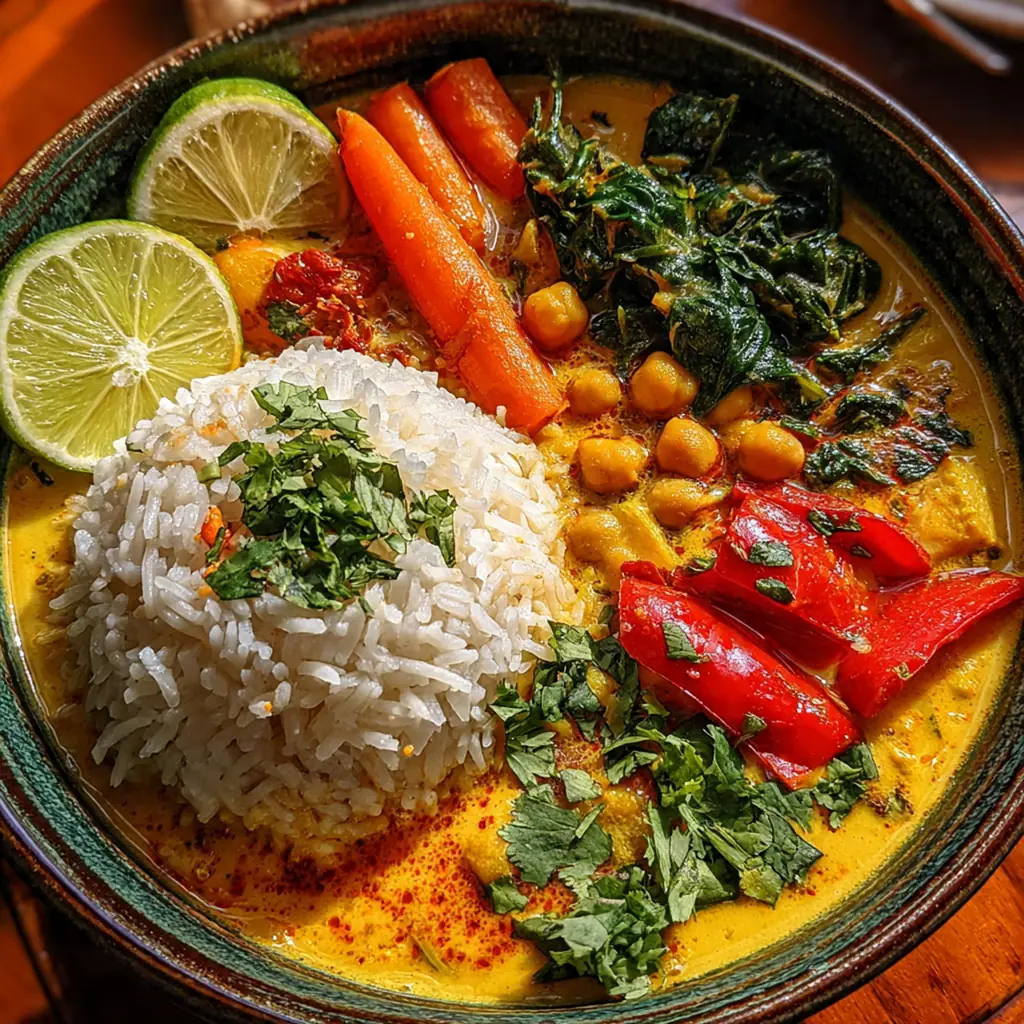
Take the pot off the heat and give your coconut curry a final taste, adjusting with an extra splash of soy sauce or lime juice if you think it needs it. Just before serving, stir in the fresh Thai basil leaves, which will wilt perfectly from the residual heat. Ladle the hot curry into bowls over fluffy jasmine rice and garnish with whatever extras you love.
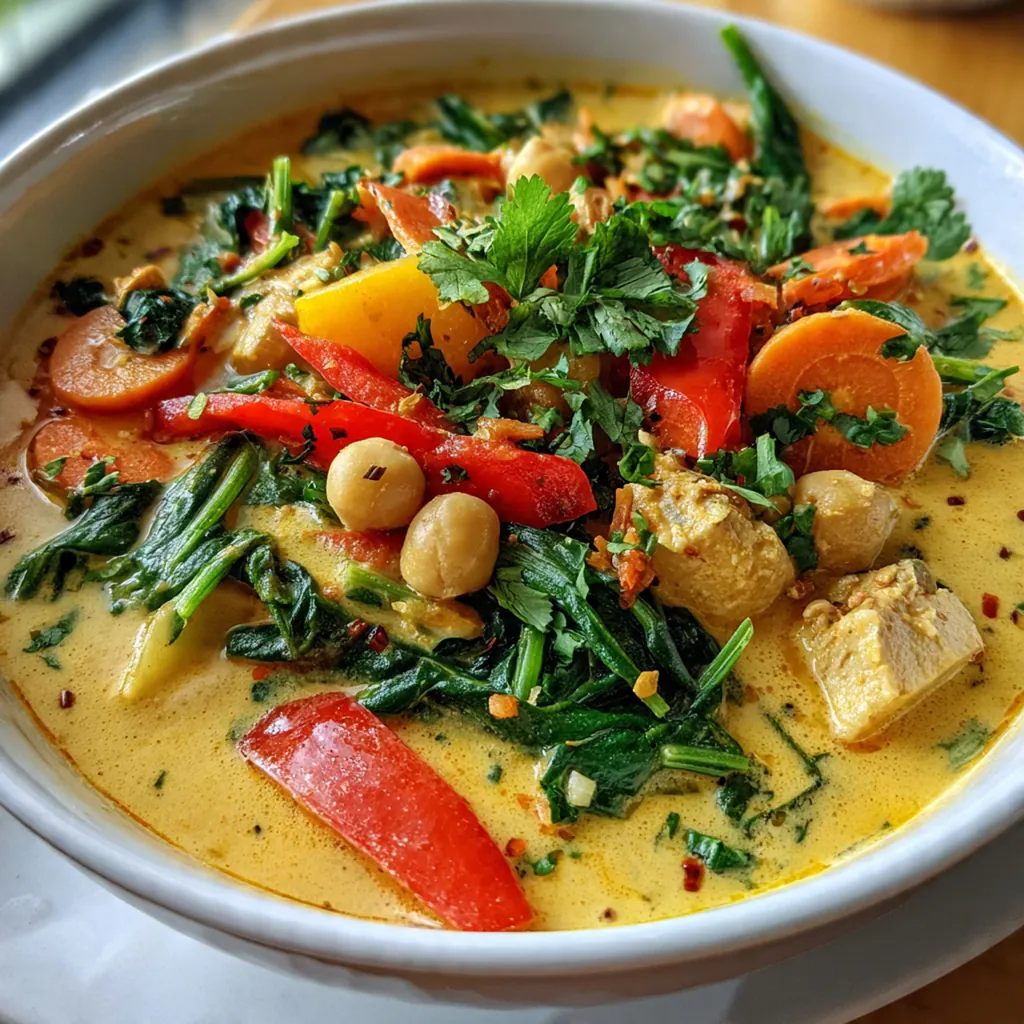
You Must Know
- Full-fat coconut milk is non-negotiable for a rich, creamy sauce
- Pressing the tofu first makes it absorb way more flavor
- Bloom the curry paste in oil to unlock its full depth
- Fresh lime juice at the end is the magic brightener
- I always make extra rice for the sauce
Storage Tips
Store any leftovers once they’ve cooled to room temperature in an airtight container in the fridge, where they’ll stay perfect for up to three days. The flavors actually get better overnight as they continue to meld. When you’re ready to eat, reheat it gently on the stovetop over low heat, adding a splash of water or broth if the coconut curry sauce has thickened up more than you’d like. You can freeze it for up to two months, though be aware that the vegetables will become much softer when thawed and reheated, so the texture will change a bit.
Ingredient Substitutions
If you’re out of red curry paste, yellow or green would work, though green is typically hotter and yellow is milder, so adjust to your taste. No eggplant? Swap in zucchini, cauliflower florets, or even green beans, just add quicker-cooking veggies a bit later so they don’t turn to mush. For the tofu, chickpeas or sliced mushrooms make a great plant-based alternative, or you could use peeled shrimp or chicken breast for a non-vegan version. Don’t have Thai basil? A handful of regular basil or even chopped cilantro stems will still add a lovely fresh note, though the anise flavor will be missing.
Serving Suggestions
A big bowl of steamed jasmine rice is the classic and perfect partner for soaking up every last drop of that creamy coconut curry sauce. For a lighter option, try it over rice noodles or even cauliflower rice. I love to add a refreshing side like a quick cucumber salad with rice vinegar or some crispy vegan spring rolls to balance the richness. A cold, crisp lager or a glass of off-dry Riesling cuts through the spice and creaminess beautifully, making the whole meal feel even more special.
Cultural Context
This style of coconut curry, or *gaeng*, is a staple in Thai homes and restaurants, celebrated for its balance of spicy, salty, sweet, and sour flavors. The use of curry paste simmered in coconut milk creates a luxurious gravy that’s distinct from the drier, paste-forward curries of India. While recipes vary by region and family, the foundation of aromatics like galangal, lemongrass, and kaffir lime leaves in the paste remains constant. This version brings that authentic spirit into your kitchen with accessible ingredients, honoring the tradition of a comforting, one-pot meal that’s meant to be shared and savored with plenty of rice.
Pro Tips
- Start with two tablespoons of curry paste and add more later
- Simmer uncovered at the end to thicken the sauce if needed
- Press your tofu between paper towels with a heavy pan
- Use a microplane for the ginger to avoid any stringy bits
- It’s my favorite meal prep recipe by far
Frequently Asked Questions
For the richest, creamiest sauce, use a full-fat coconut milk. The high fat content emulsifies beautifully with the curry paste and creates the luxurious texture this dish is known for. Light coconut milk will result in a thinner, less indulgent sauce. Shake the can well before opening to incorporate the cream and liquid.
Absolutely! In fact, the flavors often deepen when allowed to sit. Let the curry cool completely, then store it in an airtight container in the refrigerator for up to 3 days. Reheat gently on the stovetop, adding a splash of vegetable broth or water if the sauce has thickened too much.
If you don’t have red curry paste, you can use a similar amount of yellow or green curry paste, though the flavor profile will change slightly. For a quick homemade version, blend together 1-2 dried red chilies (soaked), a spoonful of lemongrass paste, garlic, ginger, and a pinch of cumin and coriander.
The curry is ready when the vegetables are tender but not mushy, and the sauce has thickened slightly to coat the back of a spoon. The carrots should be fork-tender, and the eggplant should be soft. This usually takes about 15-20 minutes of simmering after adding the coconut milk and broth.
This coconut curry is perfect served over a bed of jasmine rice to soak up the delicious sauce. For a complete Thai meal, pair it with a fresh cucumber salad or spring rolls. A garnish of extra Thai basil, lime wedges, and chopped peanuts adds wonderful texture and brightness.