

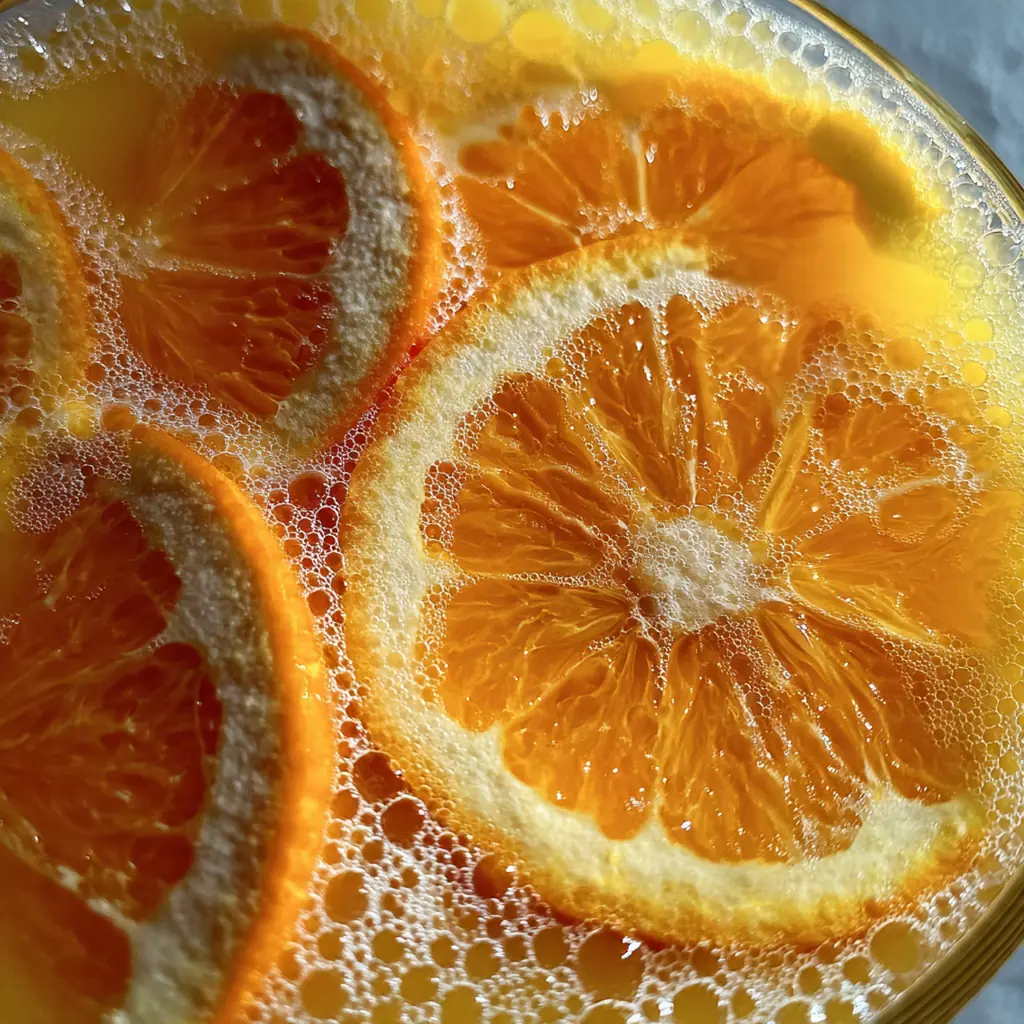
The Perfect Classic Mimosa is the undisputed star of any celebratory brunch, and for good reason. This simple French cocktail elevates the morning with its bright color and cheerful effervescence. While its origins trace back to Parisian luxury, the beauty of the Classic Mimosa lies in its elegant simplicity. Forget premade mixes; this recipe focuses on the perfect ratio of crisp, dry sparkling wine to fresh-squeezed orange juice, creating a sophisticated drink that’s refreshing, not cloyingly sweet. It’s the little touch of class that makes any occasion feel special.
Why You'll Love This Recipe
- The perfect 2:1 ratio for a crisp, not-too-sweet taste
- Ready in just 5 minutes for truly effortless entertaining
- Fresh-squeezed juice elevates the flavor beyond compare
- It’s a bright, elegant addition to any special celebration
- This is my go-to for making any brunch feel instantly fancy
Ingredients You’ll Need
- Brut sparkling wine: The key is to choose a ‘Brut’ or ‘Extra Brut’ style like Champagne, Prosecco, or Cava. This means it’s dry with very little sugar, which perfectly balances the sweet orange juice.
- Fresh-squeezed orange juice: This is the single biggest upgrade you can make. It provides a vibrant, pure citrus flavor that bottled juice just can’t match. Always serve it pulp-free for the smoothest texture.
- Navel oranges: If you’re juicing your own, ripe navel oranges are the best choice. They are naturally sweet, less acidic, and yield a generous amount of juice, making them ideal for a Classic Mimosa.
- Grand Marnier or Cointreau: This optional ingredient is a professional touch. A small splash of high-quality orange liqueur adds a wonderful depth and a warm, complex citrus note that makes the drink sing.
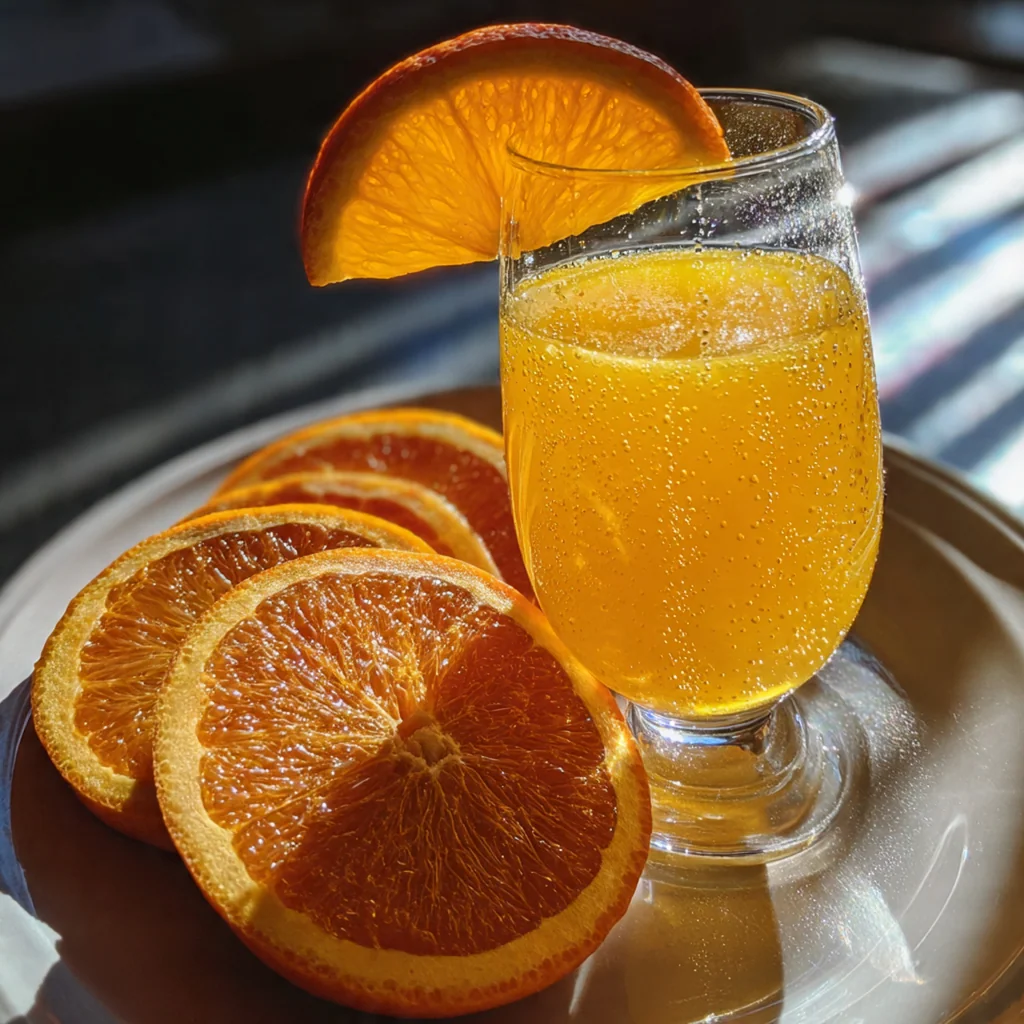
- Orange slices or twists: A simple, elegant garnish that signals the drink’s primary flavor. A thin slice on the rim or a delicate twist dropped into the glass adds a touch of visual appeal.
- Fresh raspberries: Adding a few fresh raspberries provides a beautiful pop of color contrast. They will dance in the bubbles and infuse a subtle berry note as you sip.
- Pomegranate arils: These little jewels sink to the bottom of the flute, creating a stunning visual effect. They also give you a tart, juicy burst of flavor in the final sips.
- Fresh rosemary sprigs: For a festive or wintery touch, a small sprig of rosemary adds a lovely herbaceous aroma that complements the sweet orange beautifully, engaging more of your senses.
How to Make It
Chill Everything Thoroughly:
This is the most important step for a successful Classic Mimosa. At least 15 minutes before you plan to serve, place your champagne flutes in the refrigerator or even the freezer. Cold glasses keep the finished drink colder for longer, which in turn helps preserve the precious carbonation. Ensure your sparkling wine and orange juice are also very cold.
Prepare The Fresh Juice:
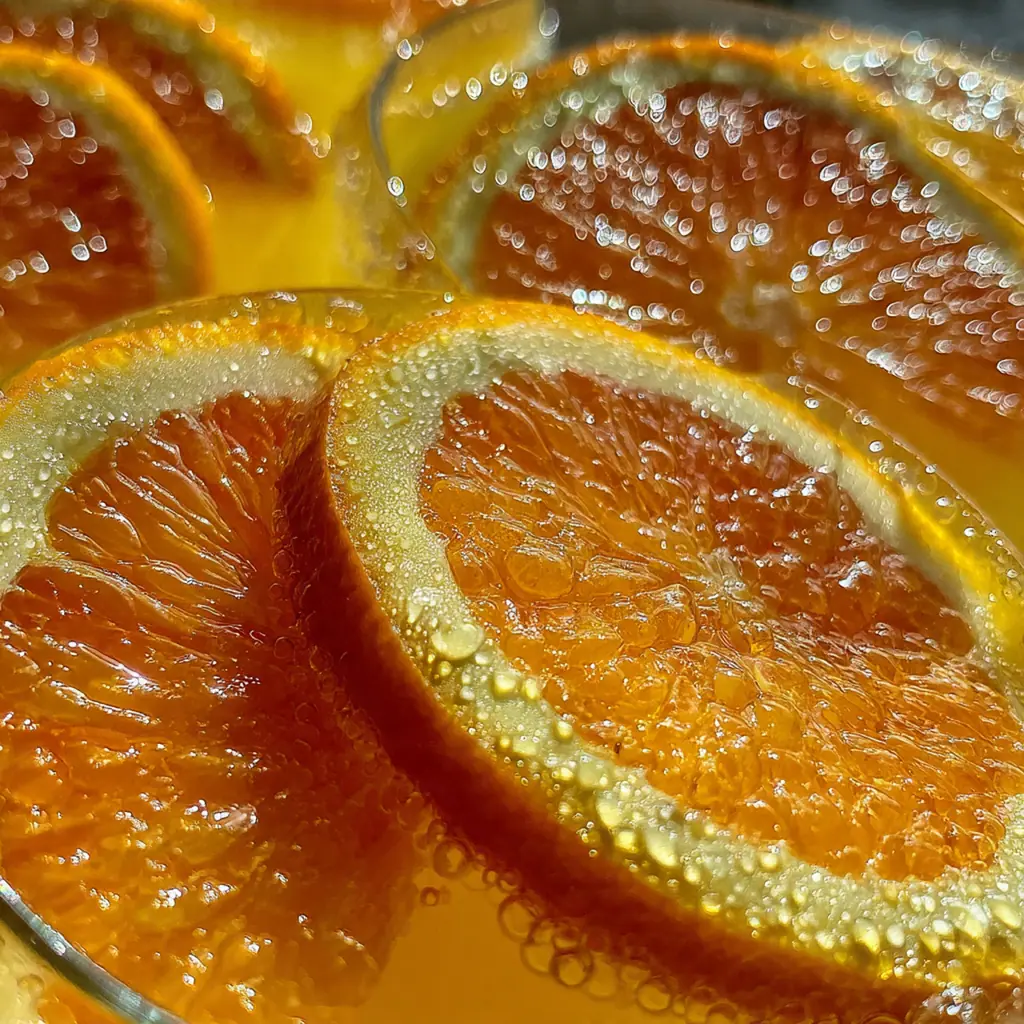
If you’re using fresh oranges, now is the time to juice them. Slice your navel oranges in half and use a citrus juicer to get every last drop. For an exceptionally smooth and refined cocktail, pour the fresh juice through a fine-mesh strainer. This removes all the pulp, which can interfere with the bubbles and create a less elegant texture in your final drink.
Pour The Sparkling Wine Correctly:
Once your glasses are frosty and chilled, you’re ready to pour. Take a flute and tilt it at a 45-degree angle. Slowly and gently pour the cold sparkling wine down the side of the glass until it’s about halfway full. This technique maximizes the surface area and minimizes agitation, which is the secret to preserving as many bubbles as possible and preventing a foam-over.
Top With Orange Juice:
After the sparkling wine is in the glass, slowly straighten the flute to an upright position. Now, carefully top off the wine with your chilled, pulp-free orange juice. Following this specific order, wine first and then juice, prevents the sticky, foamy mess that happens when you pour bubbly into a thick liquid. The gentle pour is all the mixing you need.
Add A Flavor Boost:
For an extra layer of complexity that will have your guests asking for your secret, add a splash of orange liqueur. About half a tablespoon of Grand Marnier or Cointreau per glass is perfect. It amplifies the orange notes and adds a subtle warmth that truly elevates this simple cocktail from good to great. This is the little touch that gives it a craft-cocktail feel.
Do Not Stir:
Resist the temptation to stir your Classic Mimosa with a spoon or swizzle stick. Any agitation will immediately cause the carbon dioxide to release, and your drink will go flat in seconds. The process of pouring the juice into the wine is sufficient to combine the two liquids perfectly. Trust the process and keep those bubbles intact for a crisp, effervescent experience.
Garnish And Serve Immediately:
Your perfect Classic Mimosa is ready to be enjoyed right away. Add your desired garnish, whether it’s a simple and elegant orange slice on the rim or a few fresh raspberries dropped into the glass to dance in the bubbles. The goal is to serve the drink while it is at its coldest and most bubbly peak. Cheers!
You Must Know
- The wine goes in the glass first, always
- Extremely cold ingredients are non-negotiable
- Straining the juice makes a huge difference
- Don’t you dare stir it and kill the bubbles
Storage Tips
A Classic Mimosa is truly a drink for the moment and is best made to order. Storing a pre-mixed mimosa is not recommended because the sparkling wine will lose its carbonation very quickly, resulting in a flat and disappointing drink. The magic is in the fresh effervescence! Since the recipe is incredibly quick, taking only a minute to pour each glass, it’s easiest to assemble them just as you’re ready to serve. If you have leftover sparkling wine, use a proper champagne stopper to preserve the bubbles for a day or so, but never mix it with juice ahead of time.
Ingredient Substitutions
While this Classic Mimosa recipe is perfection, it’s also fun to customize. For the sparkling wine, any dry (Brut) version works; Spanish Cava is a great value, and Italian Prosecco offers a slightly fruitier profile. The real fun comes with the juice! Swap the orange juice for cranberry juice to make a Poinsettia, perfect for the holidays. You can also use grapefruit, pineapple, or even peach nectar for a Bellini-style drink. For a non-alcoholic version, simply substitute the sparkling wine with chilled sparkling cider or sparkling white grape juice for a festive drink everyone can enjoy.
Serving Suggestions
The Classic Mimosa is the ultimate brunch companion. Serve it in chilled champagne flutes to preserve the bubbles and showcase its beautiful color. It pairs wonderfully with both sweet and savory brunch fare. The crisp acidity cuts through the richness of savory dishes like eggs Benedict with hollandaise sauce or a cheesy quiche Lorraine. It also complements the sweetness of fluffy pancakes, Belgian waffles, or a decadent French toast casserole without being overpowering. For a lighter pairing, a simple platter of fresh fruit, pastries, and croissants is always a perfect match for this elegant cocktail.
Cultural Context
The Classic Mimosa is a symbol of effortless French elegance, believed to have been invented at the Hôtel Ritz in Paris around 1925 by bartender Frank Meier. It was likely inspired by the British cocktail, the Buck’s Fizz, which uses a higher ratio of sparkling wine to orange juice. The French version, named after the bright yellow mimosa flower, found the perfect balance that allowed the quality of both the Champagne and the fresh juice to shine. It quickly became the signature drink of leisurely brunches and daytime celebrations, embodying a spirit of accessible luxury. Its worldwide popularity is a testament to the timeless appeal of simple, high-quality ingredients prepared perfectly.
Pro Tips
- A dry ‘Brut’ wine is the secret to a balanced drink
- Pouring down the side of a tilted glass saves bubbles
- Set up a mimosa bar with different juices for a party
- This perfect 2:1 ratio is my secret for brunch success
Frequently Asked Questions
For the best Classic Mimosa, you’ll want a dry (brut) sparkling wine. The recipe calls for Champagne, Prosecco, or Cava, as their crispness beautifully balances the sweetness of the orange juice. Avoid sweet sparkling wines like Asti Spumante, as they can make your Classic Mimosa overly sugary. Always serve it very cold!
It’s best to assemble your Classic Mimosa just before serving to preserve the bubbles. However, you can prep ahead! Juice your oranges and chill the juice and sparkling wine thoroughly for at least a few hours. When you’re ready to serve, simply pour and enjoy the freshest-tasting cocktail.
Grand Marnier is an optional flavor booster. If you don’t have it, Cointreau is an excellent substitute, as noted in the ingredients. You can also use another high-quality orange liqueur like Triple Sec. Alternatively, for a non-alcoholic boost, a tiny splash of orange blossom water can add a lovely floral note to your Classic Mimosa.
The perfect Classic Mimosa is all about balance. Our method uses a 2-to-1 ratio: two parts sparkling wine to one part orange juice. This ensures the drink is bubbly and crisp, not overly sweet or heavy. Pour the sparkling wine first, then slowly add the orange juice to prevent it from losing its fizz.
A Classic Mimosa is the ultimate brunch drink. It pairs beautifully with classic French-inspired brunch dishes like quiche, crêpes, or a simple croissant with jam. It also complements savory items like eggs benedict or a cheese board, as its acidity cuts through the richness of the food.