

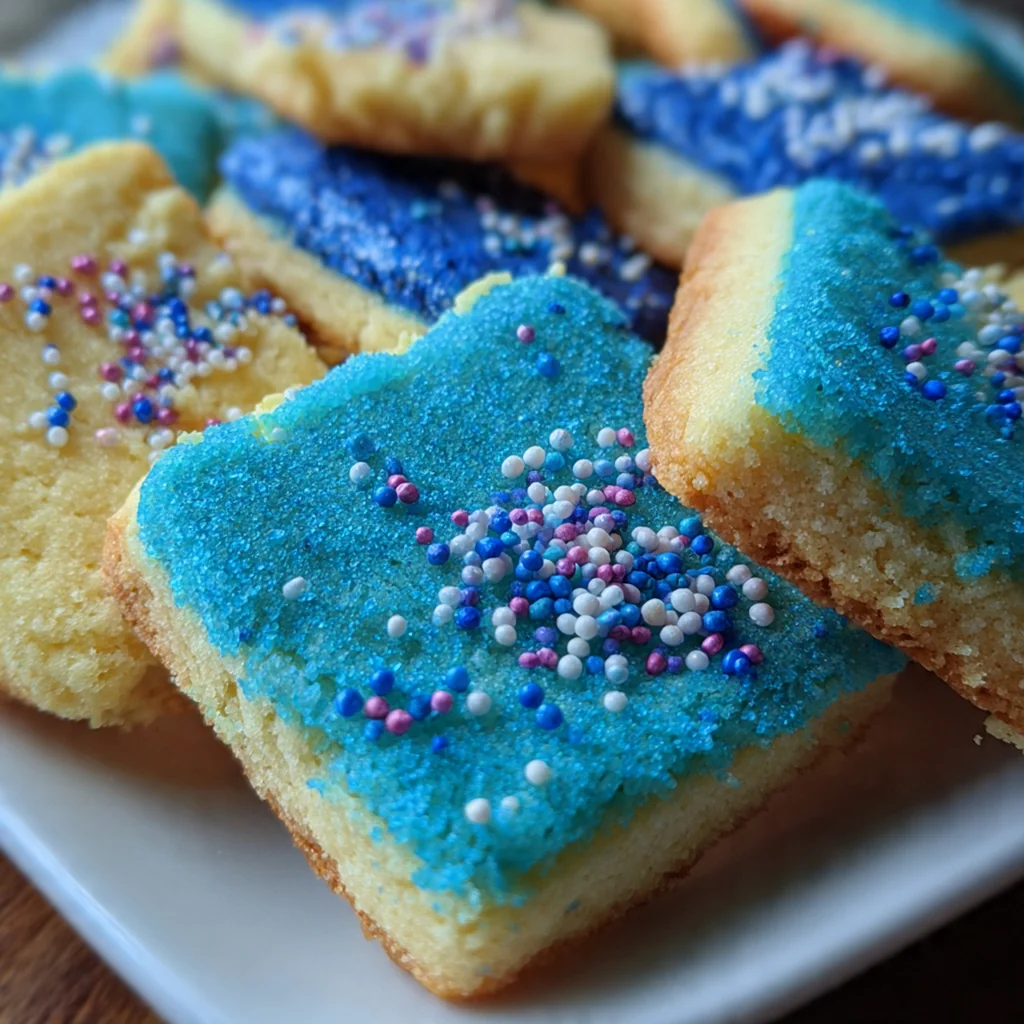
These classic shortbread cookies are the epitome of simple perfection, a testament to how a few quality ingredients can create something truly special. Originating from Scotland, authentic shortbread is celebrated for its rich, buttery flavor and a signature crumbly texture that melts in your mouth. This recipe has been a staple in my kitchen for years because it consistently delivers that authentic, bakery-quality result without any fuss. It’s the kind of timeless treat that feels both humble and luxurious, perfect for a quiet afternoon with a cup of tea or as a cherished holiday gift.
Why You'll Love This Recipe
- An authentic ‘melt-in-your-mouth’ texture
- Made with just a few simple pantry staples
- The dough can be prepared ahead of time
- So much richer than any store-bought version
Ingredients You’ll Need
- Cold unsalted butter: This is the heart and soul of your shortbread cookies. Using cold, cubed butter creates tiny pockets of fat that result in a tender, flaky texture.
- Confectioners’ sugar: This superfine sugar dissolves effortlessly into the butter without creating a gritty texture, ensuring the smoothest, most delicate crumb in your finished cookies.
- Pure vanilla extract: A touch of high-quality vanilla enhances the rich buttery flavor, adding a layer of aromatic warmth that makes these cookies feel extra special.
- Fine sea salt: Don’t skip the salt. It’s crucial for balancing the sweetness and amplifying the deep, nutty notes of the butter for a more complex flavor profile.
- All-purpose flour: This provides the main structure for the cookies. Proper measurement is key to avoiding a dry or tough result, so be sure not to pack it down.
- Cornstarch: The secret to that melt-in-your-mouth quality. Cornstarch is a pure starch that lowers the overall protein content, which inhibits gluten development and yields a super tender cookie.
- White rice flour: This adds a distinctively sandy, crisp, and crumbly texture that is characteristic of the best Scottish shortbread. It’s what gives them that signature snap.
- Granulated sugar: Used only for sprinkling on top, this optional ingredient adds a lovely bit of sparkle and a delicate, crunchy texture to the surface of the cookies.
How to Make It
Cream the Butter and Sugar:
In the bowl of your stand mixer with the paddle attachment, or a large bowl if you’re using a hand mixer, combine the cold butter cubes and confectioners’ sugar. Beat them together on medium speed for about two to three minutes. You’re looking for the mixture to become smooth, creamy, and uniform in color. This step aerates the butter, which is the foundation for a light, tender cookie.
Add the Flavorings:
Once the butter mixture is creamy, scrape down the sides of the bowl with a spatula to make sure everything is incorporated. Add the pure vanilla extract and fine sea salt. Mix again on low speed for just about 30 seconds. You only want to mix until these ingredients are combined, as over-beating can warm up the butter too much.
Whisk the Dry Ingredients:
In a separate medium-sized bowl, add the all-purpose flour, cornstarch, and white rice flour. Use a whisk to combine them thoroughly for at least 30 seconds. This step is more important than it seems because it ensures the cornstarch and rice flour are evenly distributed, guaranteeing that every single one of your shortbread cookies has that perfect texture.
Combine Wet and Dry:
With your mixer running on its lowest possible speed, add the flour mixture to the creamed butter mixture. Do this gradually in about three separate additions. Mix only until the dough just begins to form large, shaggy clumps. Stop mixing as soon as it comes together. Overmixing develops gluten, which is the enemy of tender shortbread cookies and will make them tough.
Bring Together and Chill the Dough:
Turn the clumpy dough out onto a very lightly floured work surface. Use your hands to gently press and bring the dough together into a single, cohesive disc. Don’t knead it. Wrap the disc tightly in plastic wrap and place it in the refrigerator to chill for at least 30 minutes. This chilling step is absolutely crucial as it solidifies the butter, which prevents the cookies from spreading into thin puddles in the oven and deepens the buttery flavor.
Roll and Cut the Cookies:
When you’re ready to bake, preheat your oven to 350°F and line two large baking sheets with parchment paper to prevent sticking. Unwrap your chilled dough and place it on a lightly floured surface. Roll it out evenly to about a quarter-inch thickness. Use a two-inch round cookie cutter to cut out your shapes, placing them about one inch apart on the prepared baking sheets. You can gather the scraps and re-roll them once, but more than that can make them tough.
Dock and Sprinkle:
For that classic shortbread look, use the tines of a fork to gently prick, or ‘dock’, the surface of each cookie a few times. This simple step not only looks traditional but also helps the shortbread cookies bake more evenly by allowing steam to escape. If you’d like a little extra sparkle and crunch, this is the time to sprinkle them lightly with granulated sugar.
Bake to Pale Perfection:
Bake the shortbread cookies for 15 to 20 minutes. It’s a good idea to rotate the pans halfway through the baking time to ensure they all cook evenly. You’ll know they are done when the edges are just starting to turn a very pale, delicate golden brown. The centers should still look pale. Be careful not to overbake, as shortbread should not be deeply browned.
Cool and Firm Up:
Once you remove them from the oven, let the shortbread cookies cool on the baking sheets for about 5 minutes. They are extremely delicate and fragile when hot, and this brief cooling time allows them to set up slightly. After 5 minutes, carefully transfer them to a wire rack to cool completely. They will become wonderfully crisp and firm as they cool.
You Must Know
- Use truly cold butter for the best texture
- Do not overmix the dough once the flour is added
- The combination of flours is key to the crumbly texture
- Chilling the dough is an absolutely essential step
Storage Tips
To keep your shortbread cookies perfectly crisp and buttery, make sure they are completely cool before storing them. Place them in an airtight container where they will stay fresh at room temperature for up to a week. If you want to save them for later, they freeze beautifully. Just stack them in a freezer-safe container with sheets of wax paper between the layers to prevent them from sticking together. They’ll be perfect for up to three months, ready for whenever a craving strikes.
Ingredient Substitutions
This classic shortbread cookie recipe relies heavily on the specific ingredients listed for its signature texture, so substitutions are not highly recommended. Using granulated sugar instead of confectioners’ sugar in the dough would create a grainier, less tender cookie. Similarly, omitting the cornstarch or rice flour would result in a denser, less crumbly texture. Using salted butter can work in a pinch, but you would need to omit the fine sea salt and results may vary by brand. For those with allergies, please note this recipe contains both wheat and dairy.
Serving Suggestions
These buttery shortbread cookies are a dream alongside a hot beverage. They are perfectly suited for dipping into a cup of English breakfast tea or a freshly brewed coffee. For a simple and elegant dessert, serve them next to a bowl of fresh berries, like strawberries or raspberries, and a dollop of softly whipped cream. You can also get creative by crumbling a cookie or two over a scoop of high-quality vanilla ice cream for a delightful textural contrast that feels incredibly indulgent.
Cultural Context
Shortbread’s origins trace back to medieval Scotland, where it began as a ‘biscuit bread’ made from leftover dough. Over time, butter replaced the yeast, and it evolved into the rich, crumbly biscuit we know today. It was once considered an expensive luxury, reserved for special occasions like Christmas, Scottish New Year’s Eve (Hogmanay), and weddings. The simple, pure ingredient list of butter, sugar, and flour is a hallmark of traditional Scottish baking, celebrating quality over complexity. This recipe for shortbread cookies honors that heritage by focusing on the same core components to create an authentic, melt-in-your-mouth experience that has been cherished for centuries.
Pro Tips
- Use high-quality, European-style butter for the best flavor
- Do not skip the chilling step, it’s vital for texture
- Measure your flour correctly by spooning and leveling it
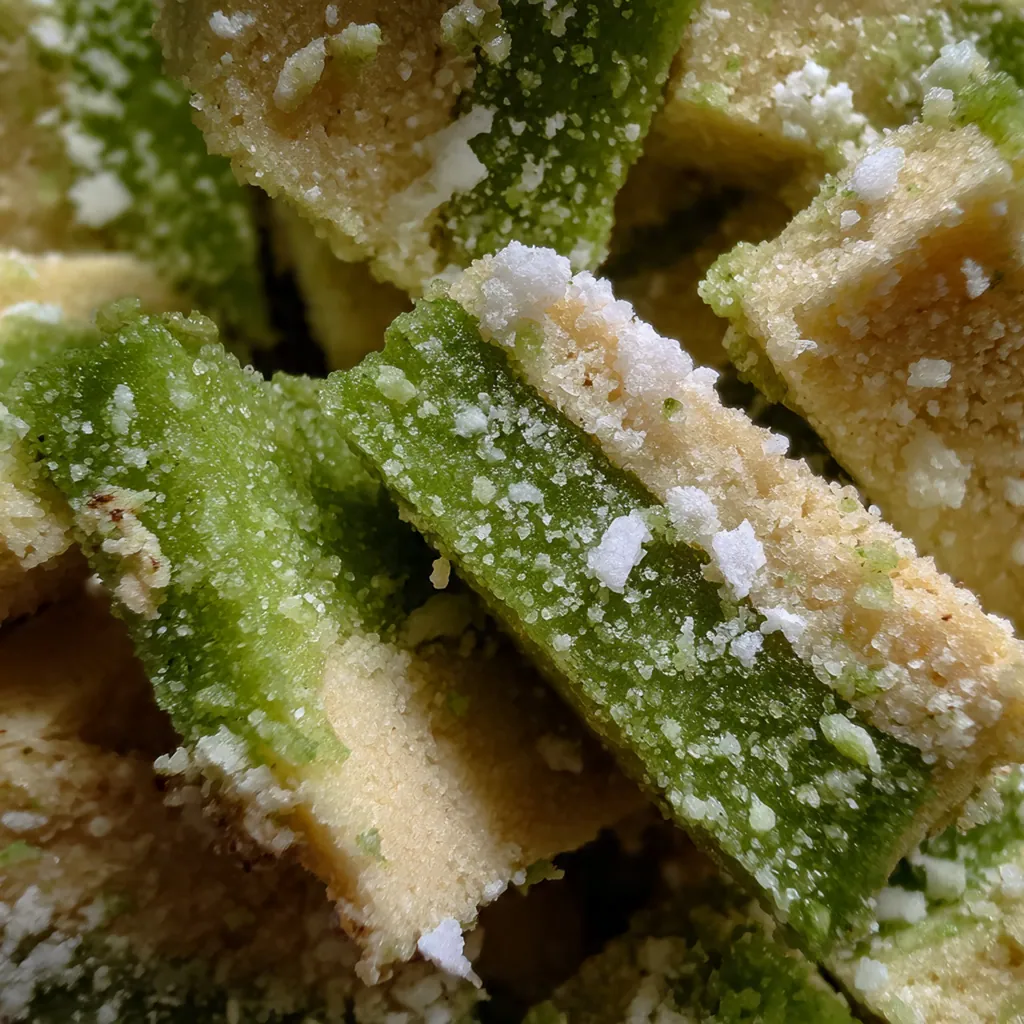
- For fingers, press the dough into an 8×8 pan and slice when warm
Frequently Asked Questions
Great question! While many shortbread cookies use only all-purpose flour, adding cornstarch and rice flour is the secret to an exceptionally tender, melt-in-your-mouth texture. Cornstarch lowers the protein content, preventing gluten development and making the cookie softer. The rice flour gives them a characteristic sandy, crumbly bite that’s absolutely irresistible. It’s a simple trick that makes a huge difference.
Absolutely! These shortbread cookies are perfect for making in advance. You can store the baked cookies in an airtight container at room temperature for up to a week. The dough can also be prepared ahead of time. Simply wrap the dough tightly and refrigerate it for up to 3 days. When you’re ready to bake, just let it soften slightly before rolling and cutting.
It’s best to stick with confectioners’ sugar for these shortbread cookies. Confectioners’ sugar contains cornstarch, which helps create that signature tender, fine crumb. It also dissolves easily into the cold butter, resulting in a smoother dough without a grainy texture. Using granulated sugar would significantly change the final texture, making them crisper rather than crumbly and tender.
You’ll know your shortbread cookies are perfectly baked when the edges are a very light golden brown. The centers should still look pale and set. Be careful not to overbake them, as they can brown very quickly. They will continue to firm up as they cool on the baking sheet, so it’s better to pull them a little early. The 20-minute cook time is a great guide.
These classic Scottish shortbread cookies are wonderfully versatile. Traditionally, they’re served with a hot cup of tea or coffee. They are also fantastic crumbled over ice cream or served alongside a bowl of fresh berries and cream for a simple, elegant dessert. During the holidays, they pair beautifully with a glass of mulled wine or hot chocolate.