

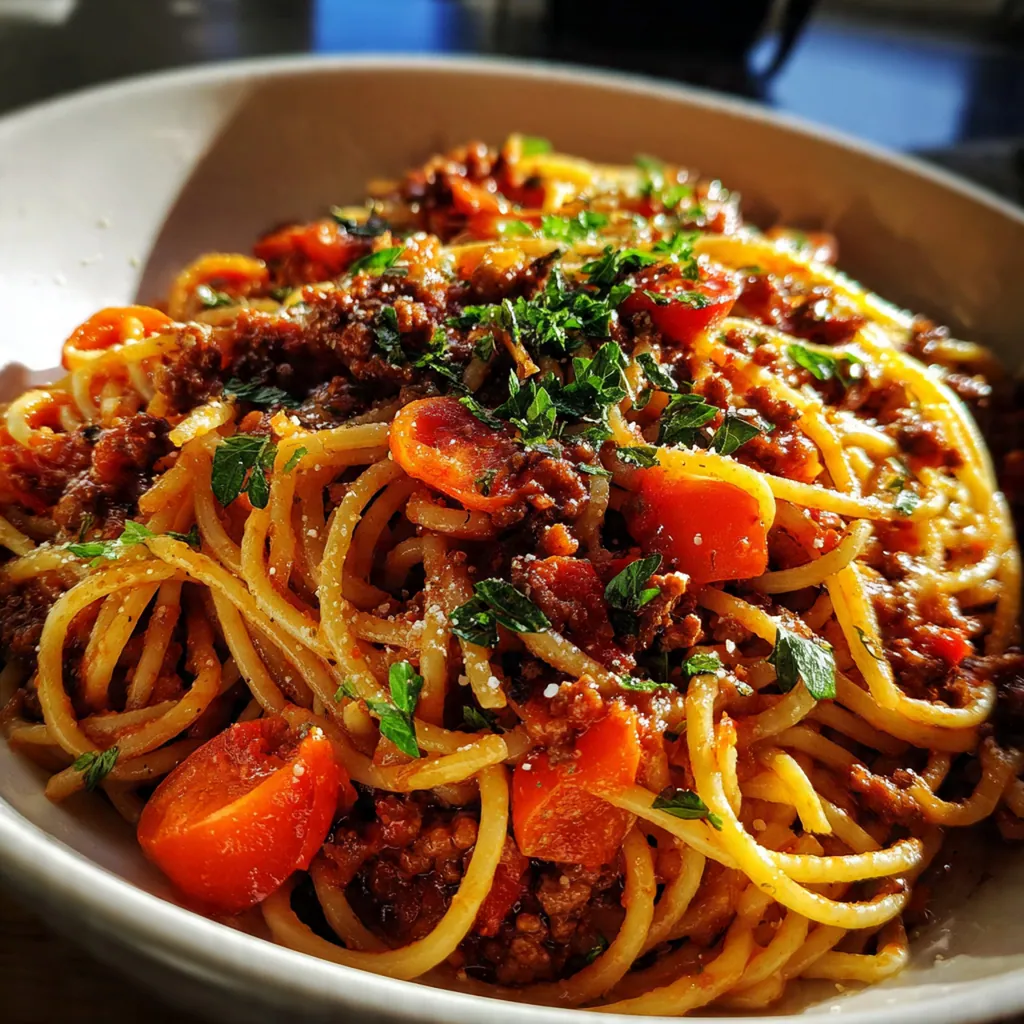
My family’s best Spaghetti Bolognese recipe is a true labor of love, a weekend project that promises the deepest, most savory meat sauce you’ve ever tasted. This isn’t a quick weeknight meal; it’s an authentic-style Italian comfort food that develops its rich character over hours of slow simmering. The process of building layers of flavor, from the crispy pancetta to the final splash of milk, is what makes this dish so special. It’s the ultimate reward for a little patience in the kitchen, creating a meal that feels both rustic and incredibly luxurious.
Why You'll Love This Recipe
- The slow simmer creates an unbelievably rich and tender meat sauce
- It is the ultimate comfort food for a cozy Sunday dinner
- This recipe makes a big batch perfect for leftovers
- It freezes beautifully for amazing future meals
- Infinitely better than any sauce you can buy in a jar
Ingredients You’ll Need
- Olive oil: This starts everything off, helping to render the pancetta fat without burning and creating a flavorful base for the vegetables.
- Pancetta: This is the secret flavor bomb. It adds a salty, savory depth that you just can’t get from anything else. Let it get nice and crispy.
- Yellow onion: Forms the sweet, aromatic foundation of the soffritto. Finely chopping it helps it melt into the sauce beautifully.
- Carrots: Adds a subtle sweetness and earthy flavor that balances the richness of the meat and the acidity of the tomatoes.
- Celery: Provides a fresh, slightly savory, and vegetal note that rounds out the soffritto, adding complexity to the final sauce.
- Garlic: Minced garlic adds that essential pungent, aromatic kick. Add it late so it turns fragrant without burning.
- Lean ground beef: Using an 85/15 blend provides the perfect amount of fat for flavor without making the sauce greasy.
- Ground pork: Adds a wonderful richness and tenderness that beef alone can’t achieve. It’s key for a truly luxurious texture.
- Kosher salt: This is crucial for seasoning every single layer, from the vegetables to the meat, enhancing all the flavors.
- Black pepper: Provides a gentle, warm spice that complements the savory notes of the meat and pancetta.
- Dry red wine: Use a wine you’d enjoy drinking, like a Chianti or Merlot. It deglazes the pan and adds an incredible layer of complex flavor.
- Tomato paste: Cooking this for a couple of minutes deepens its flavor, adding an intense, concentrated tomato backbone to the sauce.
- San Marzano crushed tomatoes: These are less acidic and have a sweeter, richer flavor than other canned tomatoes, making them perfect for this sauce.
- Whole milk: A traditional and non-negotiable step. It tenderizes the meat and adds a subtle creaminess that balances the acidity.
- Low-sodium beef broth: This adds more savory depth and provides the necessary liquid for the long, slow simmer.
- Dried spaghetti: The classic pasta pairing. Its firm texture provides the perfect canvas for this rich, clinging sauce.
- Parmigiano-Reggiano cheese: Always grate your own. Its nutty, salty flavor is the perfect finishing touch for a real Spaghetti Bolognese.
- Fresh basil: A few torn leaves at the end add a pop of fresh, herbaceous flavor that cuts through the richness of the sauce.
How to Make It
Render the Pancetta:
Begin by heating your olive oil in a large Dutch oven or a similar heavy-bottomed pot over medium heat. Add the finely diced pancetta to the pot. Let it cook, stirring just once in a while, until it has released its wonderful fat and turned golden and crispy. This usually takes about 6 to 8 minutes. The rendered fat is pure gold, so do not drain it from the pot. It forms the savory foundation for your entire Spaghetti Bolognese.
Build the Soffritto Base:
Add your finely chopped onion, carrots, and celery directly to the pot with the pancetta and its fat. This classic Italian trio, known as a soffritto, is the aromatic heart of the sauce. Sauté the vegetables, stirring occasionally, until they have softened significantly and the onion becomes translucent, which will take about 8 to 10 minutes. Taking your time here is key, as you want the vegetables to sweat and release their sweet flavors. Finally, add the minced garlic and cook for just one more minute until you can smell its fragrance.
Brown the Meats:
Now, increase the heat to medium-high and add both the ground beef and ground pork to the pot. Use a sturdy wooden spoon to break up the meat into smaller crumbles as it cooks. Continue cooking until the meat is browned all over and no pink remains, which should take about 7 to 10 minutes. A good browning develops a deep, savory flavor. Once it’s browned, season everything generously with the kosher salt and black pepper.
Deepen the Tomato Flavor:
Stir the tomato paste directly into the meat and vegetable mixture. Continue to cook and stir for about 2 minutes. This step is crucial. Cooking the tomato paste allows it to caramelize slightly, which removes any raw taste and creates a much richer, more profound tomato flavor that will permeate the entire sauce. Make sure the paste coats everything in the pot.
Deglaze with Red Wine:
Pour the red wine into the hot pot. As it bubbles, use your wooden spoon to scrape up all those delicious browned bits that are stuck to the bottom of the pot. This process, called deglazing, lifts an incredible amount of flavor into your sauce. Let the wine continue to bubble away until it has reduced by about half, concentrating its flavor. This should take around 3 to 4 minutes.
Combine and Begin the Simmer:
Now it’s time to bring your Spaghetti Bolognese sauce together. Stir in the crushed San Marzano tomatoes, the whole milk, and the beef broth. Mix everything well until fully combined. Bring the entire mixture to a gentle boil over medium-high heat. As soon as you see it bubbling, immediately reduce the heat to the lowest possible setting your stove can manage. You want the barest of simmers, not a boil.
Let the Sauce Simmer Slowly:
Cover the pot and let the sauce simmer for a minimum of 2 hours. The longer it simmers, the better it gets, as the flavors meld and the meat becomes incredibly tender. A 3 or even 4-hour simmer is even better if you have the time. Remember to give the sauce a good stir every 30 minutes or so to make sure nothing is sticking to the bottom of the pot. By the end, the sauce should be thick, rich, and deeply flavorful.
Cook the Spaghetti:
About 20 minutes before your sauce is ready to serve, it’s time to cook the pasta. Bring a large pot of water to a rolling boil and season it generously with kosher salt until it tastes like the sea. Add the dried spaghetti and cook it according to the package directions until it’s perfectly al dente, meaning it still has a slight bite. Before draining, carefully reserve about half a cup of the starchy pasta water.
Finish and Serve:
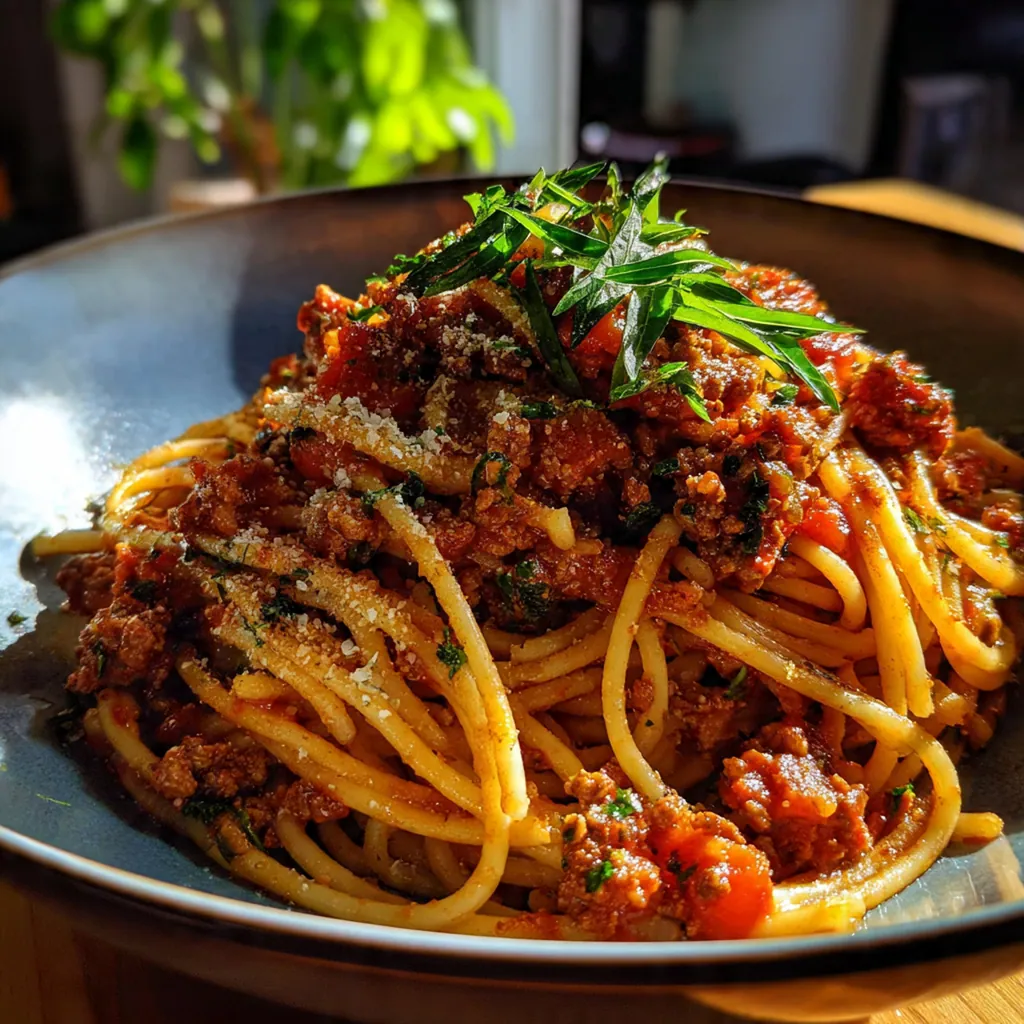
Drain the cooked spaghetti and return it to the empty pot. Ladle a generous amount of your slow-simmered bolognese sauce directly over the pasta. Toss everything together thoroughly to ensure every single strand of spaghetti is coated in the rich sauce. If the sauce seems a little too thick, add a splash of the reserved pasta water to help it loosen up and cling to the noodles. Serve your Spaghetti Bolognese immediately, topped with plenty of freshly grated Parmigiano-Reggiano cheese and some torn fresh basil leaves.
You Must Know
- Don’t rush the simmer it’s where the magic happens
- Finely chopping the vegetables is absolutely key
- The milk tenderizes the meat and balances the sauce
- This recipe makes the best leftovers you’ll ever have
Storage Tips
To store leftover bolognese, allow the sauce to cool completely and then transfer it to an airtight container. It’s best to store the sauce separately from the pasta to prevent the noodles from getting mushy. The sauce will keep beautifully in the refrigerator for up to 4 days, and its flavor actually deepens overnight. For longer storage, you can freeze the sauce for up to 3 months. I like to freeze it in portion-sized containers for easy weeknight meals. Just thaw it overnight in the fridge and reheat gently on the stovetop until warm.
Ingredient Substitutions
While this Spaghetti Bolognese recipe is classic, you can make a few swaps if needed. If you can’t find pancetta, you can use thick-cut bacon, just be mindful of the extra smoky flavor. For a lighter sauce, you could substitute ground turkey or chicken for the pork, though you will lose some of the richness. If you don’t have red wine, you can use additional beef broth, but the wine does add a special complexity. Any dry red like a Cabernet Sauvignon will work in place of Chianti or Merlot. For a vegetarian version, finely chopped mushrooms and lentils can stand in for the meat.
Serving Suggestions
This hearty Spaghetti Bolognese is a complete meal, but a few simple sides can turn it into a true feast. I always serve it with a simple green salad tossed in a sharp vinaigrette, as the acidity helps cut through the richness of the meat sauce. A loaf of warm, crusty garlic bread is also non-negotiable in my house for sopping up every last bit of sauce from the plate. When it comes to wine, the best choice is to simply pour another glass of the same red wine you used for cooking, creating a perfect pairing that complements the dish’s flavors.
Cultural Context
While many of us grew up calling this dish Spaghetti Bolognese, it’s a fascinating example of how food evolves. In its hometown of Bologna, Italy, this rich meat sauce is known as Ragù alla Bolognese and it’s almost never served with spaghetti. Instead, the traditional pairing is fresh, wide egg noodles like tagliatelle or pappardelle. The wider shape of these pastas is thought to be much better at holding onto the heavy, thick sauce. Our version with spaghetti is more of an Italian-American classic, a beloved adaptation that has become a comfort food staple in kitchens all over the world. It’s a beautiful blend of tradition and adaptation.
Pro Tips
- Don’t rush the simmer three hours is even better
- Finely chopping the soffritto is the secret to a silky sauce
- Whole milk is a traditional step you should not skip
- Use real Parmigiano-Reggiano you can taste the difference
- Wide noodles like tagliatelle hold this heavy sauce best
Frequently Asked Questions
A dry red wine is essential for creating the deep, complex flavor of a great Spaghetti Bolognese. This recipe suggests a Chianti or Merlot, which are excellent choices. They add acidity and richness that complements the meat and tomatoes. You don’t need an expensive bottle, just a good, drinkable red wine that you enjoy.
Absolutely! This sauce is perfect for making ahead. In fact, many people think the flavor of this Spaghetti Bolognese is even better the next day after the flavors have had more time to meld. You can store the cooled sauce in an airtight container in the refrigerator for up to 4 days or freeze it for up to 3 months.
If you can’t find pancetta, a good-quality, thick-cut bacon is the best substitute. It will provide a similar salty, fatty flavor to start the sauce. If you prefer not to use pork, you can omit the pancetta altogether and simply start by sautéing your vegetables in a little extra olive oil.
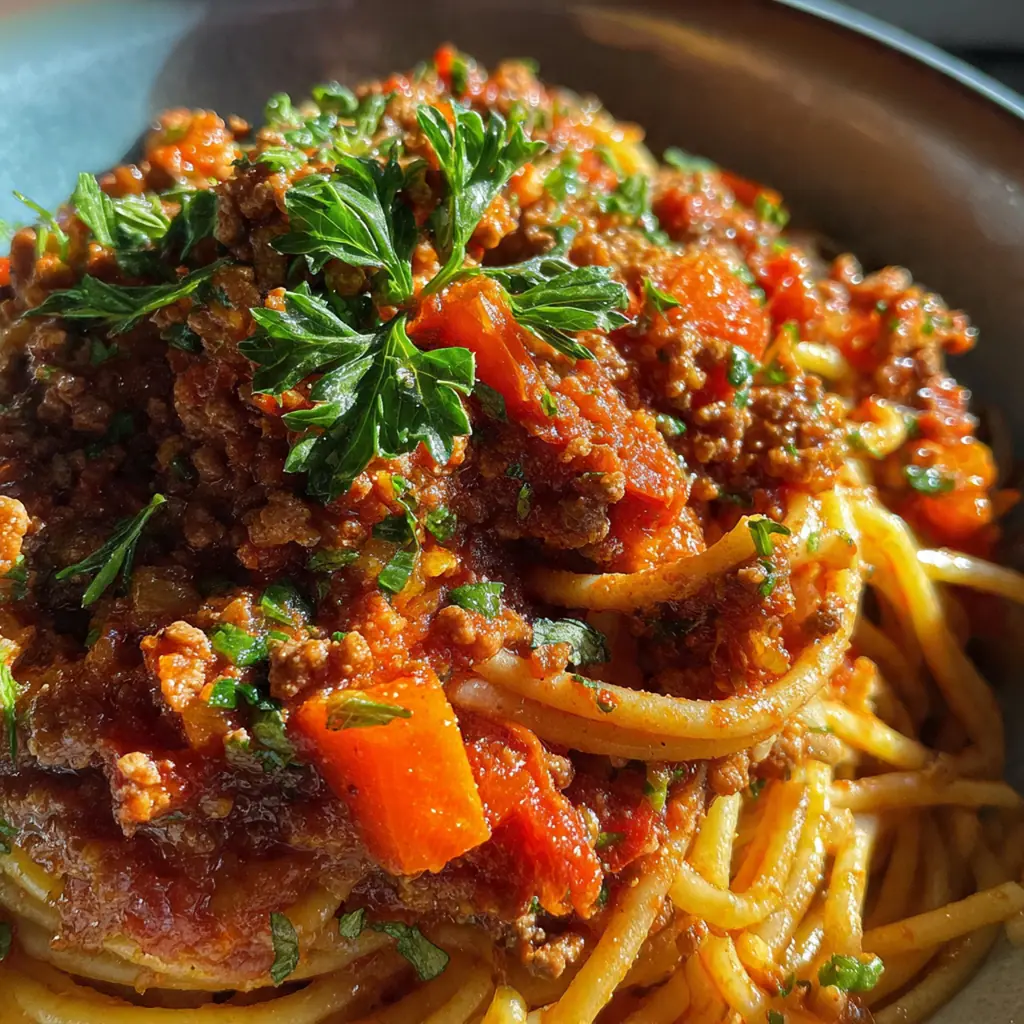
After simmering for at least two hours, the sauce will give you clear visual cues. It should be very thick, a deep brick-red color, and fragrant. You’ll also notice that the fat has rendered and may be separating slightly around the edges of the pot. This indicates a rich, well-developed sauce that’s ready to serve.
Keep the sides simple to let this amazing sauce shine. We love serving our Spaghetti Bolognese with crusty bread for soaking up every last bit of sauce, a simple green salad with a light vinaigrette, and of course, a generous amount of freshly grated Parmesan or Pecorino Romano cheese on top.