

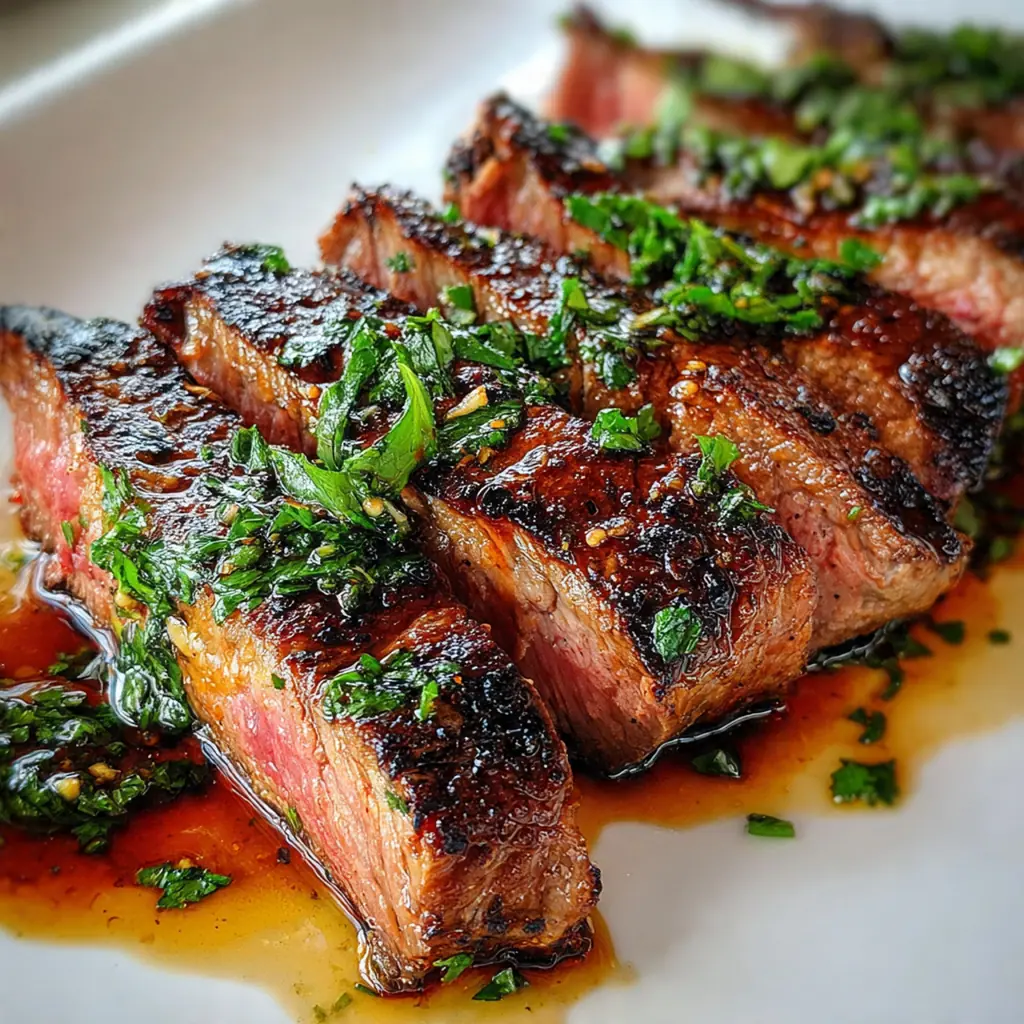
Mastering a perfect top sirloin steak at home feels like unlocking a chef’s secret, and this recipe is your key. This American classic transforms an affordable cut into a juicy, flavorful centerpiece with minimal effort and maximum reward. A hot sear builds a gorgeous crust, while the red wine pan sauce in the same skillet turns every drop into pure gold. It’s a technique-driven recipe that builds confidence and delivers a meal worthy of any special occasion.
Why You'll Love This Recipe
- You get a restaurant-quality sear with just a skillet and a few pantry staples
- The pan sauce comes together in minutes and uses every flavorful bit from the pan
- Total active time is under 30 minutes, perfect for a weeknight treat
- It pairs with almost anything, from mashed potatoes to a simple salad
- I’ve yet to find a more reliable way to impress dinner guests
Ingredients You’ll Need
- Top sirloin steaks: a fantastic value cut that’s lean yet flavorful when cooked right, look for steaks with even marbling and a bright red color for the best results.
- Kosher salt: its coarse grains stick perfectly and draw out the steak’s natural juices to create a flavorful crust, don’t substitute table salt as it’s too fine and can over-season.
- Freshly ground black pepper: freshly cracked pepper has a brighter, more aromatic heat that really comes through in the sear, pre-ground pepper loses its punch so grind your own.
- Olive oil: has a high smoke point for that initial sear and adds a subtle fruitiness, use a regular or light olive oil rather than extra virgin for the high heat.
- Unsalted butter: creates a rich, nutty base for basting and gives the pan sauce its luxurious silky finish, controlling the salt yourself is always better.
- Garlic cloves: minced garlic infuses the basting butter with a sweet, pungent aroma that clings to the steak, fresh is non-negotiable here for the best flavor.
- Fresh rosemary: its piney, robust flavor stands up to the strong sear and hearty red wine, a little goes a long way so don’t overdo it.
- Fresh thyme: adds a subtle, earthy layer to the butter that complements the rosemary beautifully, strip the leaves from the woody stems for easier basting.
- Dry red wine: deglazes the pan and forms the acidic backbone of your sauce, choose a Cabernet or Merlot you’d actually enjoy drinking.
- Beef broth: deepens the savory umami notes in the sauce and helps create body, a good quality low-sodium broth gives you the most control.
- Dijon mustard: acts as an emulsifier to help the sauce come together smoothly and adds a tangy complexity, the grainy kind works great too.
- Worcestershire sauce: the secret umami bomb that adds depth and a hint of sweetness to balance the wine, a dash makes all the difference.
- Fresh parsley: a final pop of color and fresh herbal brightness that makes the whole plate look professional, flat-leaf parsley has a nicer texture.
How to Make It
Dry and Season Your Steaks:
Take a few paper towels and pat those top sirloin steaks completely dry on all sides. Any surface moisture will steam the meat instead of letting it sear, and that crust is what we’re after. Then, season them generously all over with the salt and pepper and let them sit on the counter. This 30-minute rest brings the steak to room temperature for even cooking from edge to center.
Get Your Skillet Hot:
Place your heaviest skillet, ideally cast-iron, over medium-high heat and let it preheat for a solid five minutes. You want it seriously hot – you should see a faint wisp of smoke when you add the oil. This intense, even heat is the only way to achieve that professional, caramelized crust without overcooking the interior.
Sear the First Side:
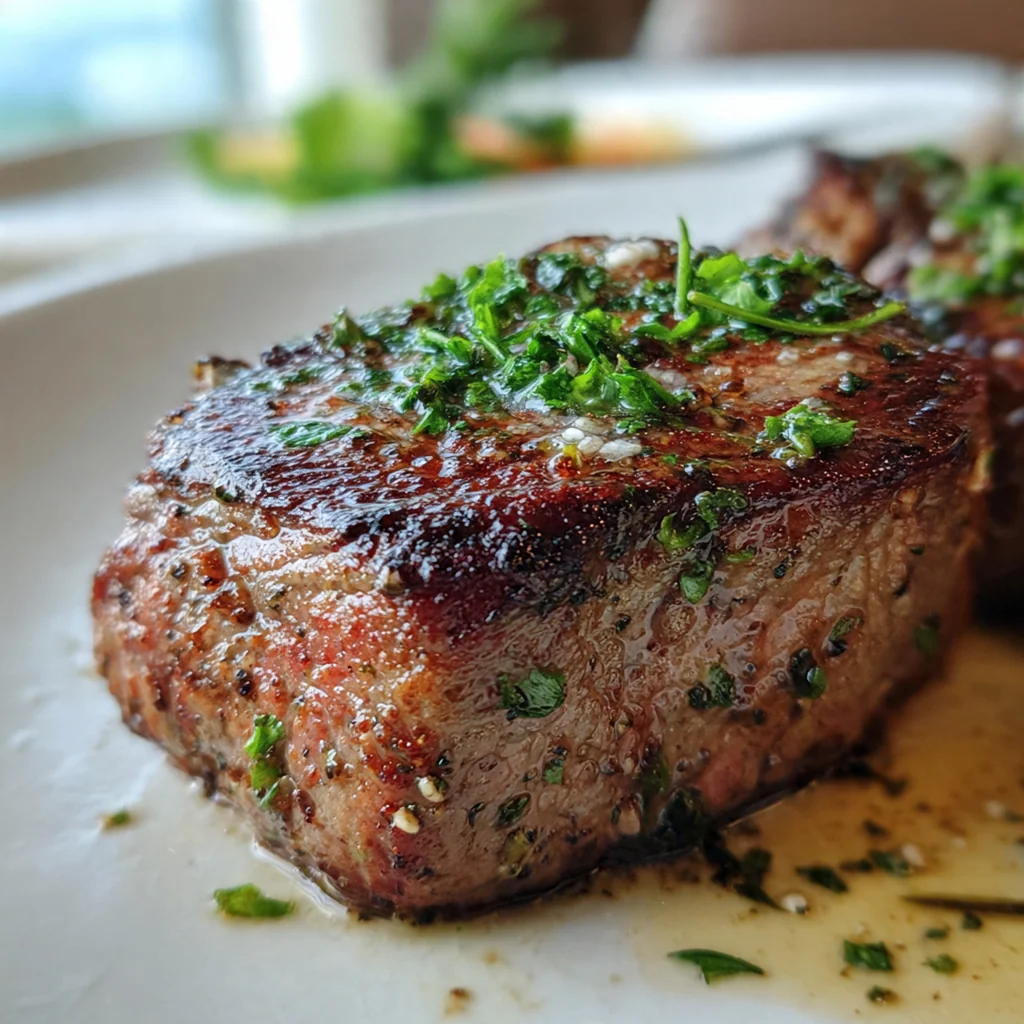
Add the olive oil to the hot pan and immediately place the steaks in carefully. You should hear a confident, steady sizzle the moment they hit the surface. Now, resist every urge to move them for a full four to five minutes – let that beautiful brown crust form undisturbed.
Flip and Baste with Butter:
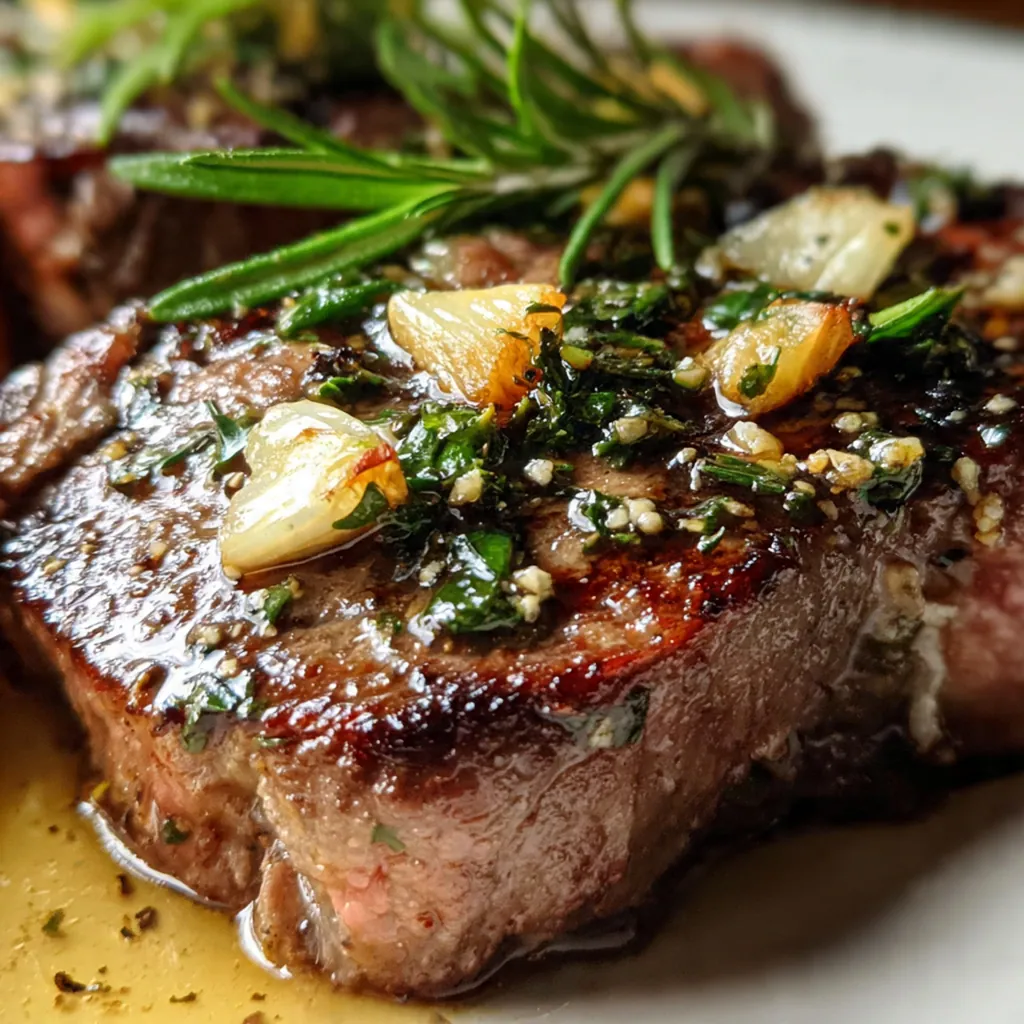
Use tongs to flip the steaks over to the other side. Cook for another four to five minutes for that medium-rare finish we love. In the last couple of minutes, add half the butter, the garlic, and the herb sprigs to the skillet. Tilt the pan and continuously spoon the foaming, fragrant butter over the steaks until they’re deeply aromatic.
Rest the Meat:
Transfer the cooked steaks to a cutting board and loosely tent them with a piece of foil. Let them rest for a full ten minutes – this is the step that keeps all those precious juices inside the meat instead of on your cutting board. Trust me, it makes every bite juicier.
Deglaze for the Sauce:
Return the same skillet to medium heat and pour in the red wine. As it simmers, use a wooden spoon to scrape up every last browned bit from the pan bottom – that’s pure flavor. Let the wine bubble and reduce by about half, which concentrates its flavor and cooks off the alcohol.
Build the Pan Sauce:
Stir in the beef broth, Dijon mustard, and Worcestershire sauce, and bring it all back to a simmer. Let it cook for about five minutes until the sauce thickens slightly and coats the back of your spoon. You’ll notice the sharp wine flavor mellowing into something rich and complex.
Finish and Serve:
Take the skillet off the heat and swirl in the remaining butter until it’s fully melted and the sauce becomes glossy and luxurious. Slice your rested steaks against the grain into half-inch strips, which ensures maximum tenderness. Drizzle that incredible sauce right over the top and serve immediately.
You Must Know
- Patting the steak bone-dry is the first secret to a great crust
- Letting it rest after cooking is non-negotiable for juicy results
- Always slice against the grain to guarantee tenderness
- That pan sauce is liquid gold, don’t skip it
Storage Tips
If you have any leftovers, let the steak and sauce cool completely before storing them separately in airtight containers in the fridge, where they’ll keep for up to three days. To reheat, warm a skillet over low heat, add a splash of beef broth or water, and gently warm the steak slices for just a minute or two until heated through – this prevents it from drying out and becoming tough. The sauce reheats beautifully in a small saucepan over low heat, and you can even thin it with a teaspoon of broth if it’s too thick after chilling. I’ve been known to chop cold leftover steak for the most incredible steak and eggs the next morning.
Ingredient Substitutions
If you don’t have a cast-iron skillet, any heavy-bottomed stainless steel or carbon steel pan will work just as well for getting that sear. For the red wine, a dry white like Sauvignon Blanc or even a splash of balsamic vinegar mixed with broth makes a fantastic alternative pan sauce. No fresh herbs? Use a teaspoon each of dried rosemary and thyme, adding them directly to the sauce instead of the basting butter. To make it dairy-free, simply replace all the butter with a high-quality olive oil or your favorite plant-based butter alternative for the same rich effect.
Serving Suggestions
This top sirloin steak shines alongside creamy mashed potatoes or crispy roasted potatoes that soak up the incredible pan sauce perfectly. For something green, try simple roasted asparagus, garlicky sautéed spinach, or a sharp arugula salad with shaved Parmesan to cut through the richness. Don’t forget a crusty baguette or some warm, buttered dinner rolls on the side for swiping up every last drop of sauce from your plate – it’s the best part of the meal.
Cultural Context
The top sirloin steak holds a special place in American cooking, often seen as the workhorse of the grill and the skillet – it’s affordable, readily available, and incredibly versatile. This method of pan-searing and basting with butter and herbs is a classic French technique known as ‘monter au beurre,’ which elevates simple ingredients through careful attention and foundational skills. It’s that beautiful intersection of rustic home cooking and refined technique, proving you don’t need a fancy cut or expensive equipment to create a meal that feels both comforting and celebratory. Every step, from the initial sear to the resting period, is about respecting the ingredient and maximizing its potential.
Pro Tips
- Use an instant-read thermometer for perfect doneness every single time
- Never crowd the pan – cook in batches if your skillet is small
- Take the time to find the grain and slice perpendicular to it
- Let the skillet get properly hot before adding the steak
- I always buy an extra steak for next-day steak sandwiches
Frequently Asked Questions
A dry, full-bodied red wine like Cabernet Sauvignon or Merlot is perfect for the pan sauce. It adds depth and richness without overpowering the beef’s flavor. You can also use a dry Pinot Noir if that’s what you have on hand.
You can prep the steaks by seasoning them with salt and pepper ahead of time. However, for the best texture and crust, cook them just before serving. The red wine sauce can be made slightly ahead and gently reheated.
If you don’t have fresh herbs, you can use 1/2 teaspoon of dried rosemary and 1/2 teaspoon of dried thyme. Add them to the butter with the garlic. The flavor will be slightly more muted but still delicious.
For a 1-inch thick steak, aim for about 4-5 minutes per side for medium-rare (internal temp of 130-135°F). The best method is to use an instant-read thermometer. The steak will also feel firm with a little give when pressed.
This classic American steak pairs wonderfully with mashed potatoes, roasted asparagus, or a simple arugula salad. The red wine pan sauce is excellent for drizzling over the steak and any sides like roasted potatoes or green beans.