

Crafting the perfect South Indian masala dosa is a weekend ritual I look forward to every single time. This iconic dish, hailing from the vibrant kitchens of South India, combines a crispy, fermented crepe with a warmly spiced potato filling for a truly unforgettable meal. Its magic lies in the beautiful contrast of textures and the complex, comforting flavors. It’s a project that rewards patience, and the result is a breakfast or brunch that feels like a special occasion.
Why You'll Love This Recipe
- The contrast of crispy dosa and soft potato masala is incredibly satisfying
- It’s a naturally fermented dish that’s gentle and full of flavor
- You get a complete, protein-rich meal that’s vegetarian and dairy-free
- Leftover batter means fresh dosas all week with minimal effort
- Watching the batter turn into a golden, lacy crepe is pure kitchen magic
Ingredients You’ll Need
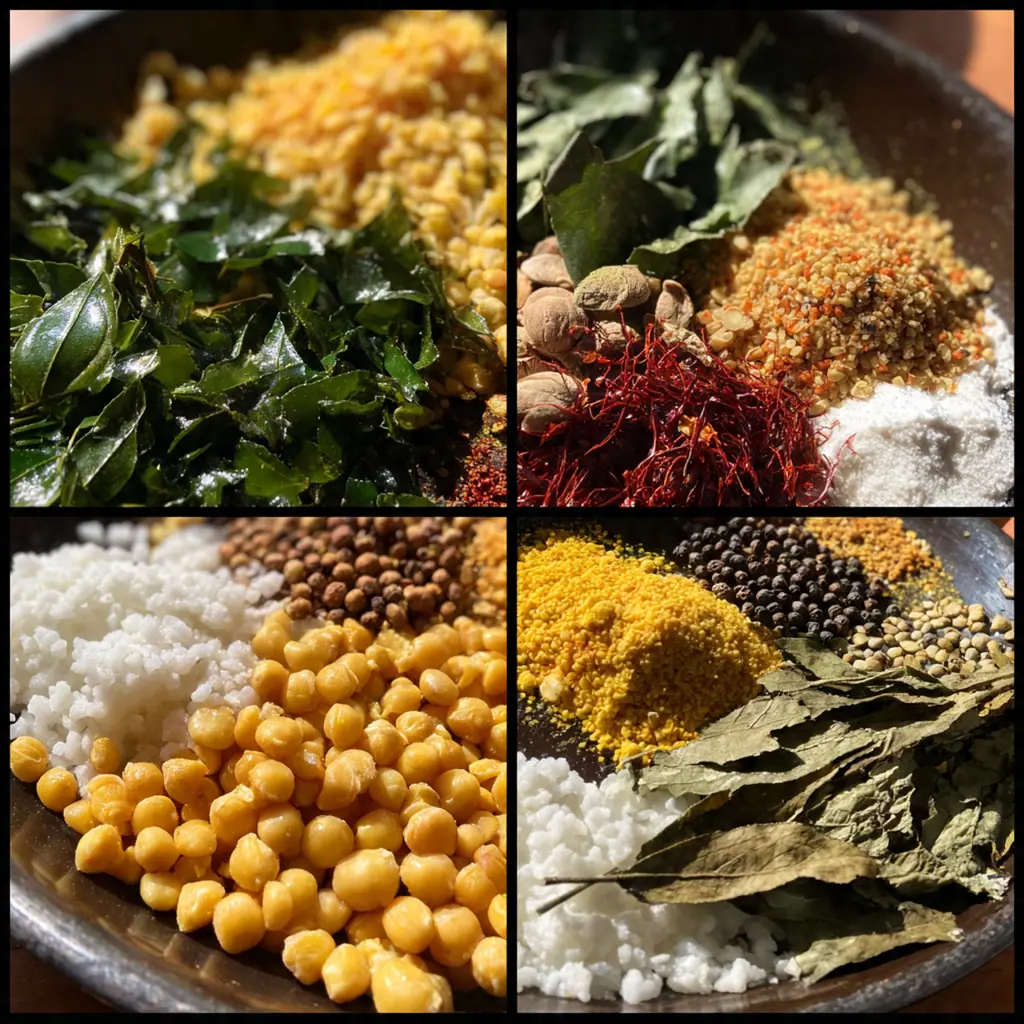
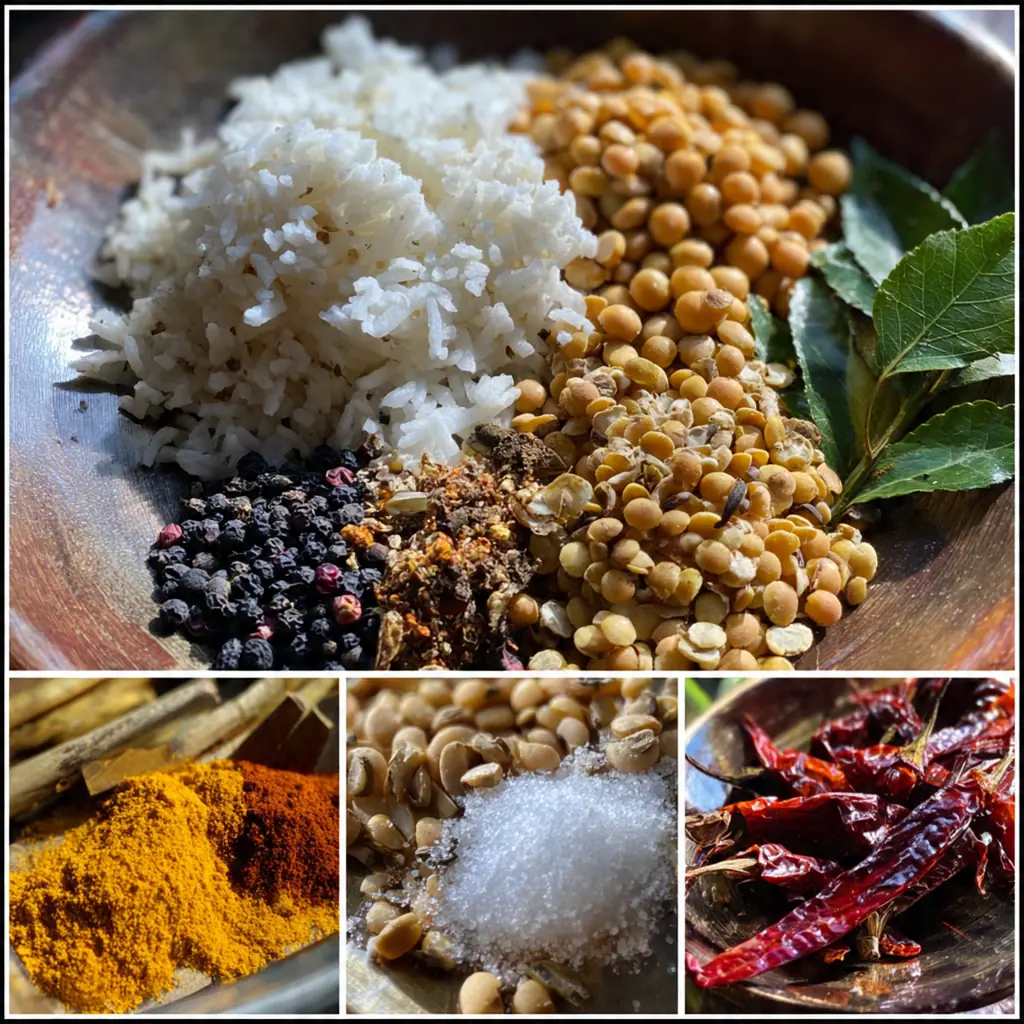
- Sona Masoori Rice: This short-grain rice creates the perfect structure for a thin, crisp dosa that holds its shape without tearing. You can also use regular idli rice for an authentic result.
- Urad Dal: These split black lentils are the key to fermentation, giving the batter its signature airy texture and slight tang. Make sure they’re fresh and hulled for the best rise.
- Fenugreek Seeds: Just a small amount helps with fermentation and adds a subtle, almost maple-like background note that’s essential to the dosa’s flavor profile.
- Russet Potatoes: Their high starch content and fluffy texture when boiled make them ideal for the filling, as they hold their shape but mash slightly to bind everything together.
- Coconut Oil: This is my preferred oil for its authentic South Indian aroma and high smoke point, which helps achieve that golden, crisp edge on the dosa.
- Black Mustard Seeds: You’ll know your tempering is right when these little seeds start to pop and dance in the hot oil, releasing their nutty, pungent aroma.
- Fresh Curry Leaves: Don’t substitute dried here; the fresh leaves have an incredible citrusy, herbal fragrance that defines the dish and gets infused into the oil.
- Asafoetida (Hing): Just a pinch of this resinous powder adds a savory, almost garlicky depth that rounds out the flavors of the potato masala beautifully.
- Green Chilies: Slitting them lengthwise infuses the oil with a gentle heat without making the filling overly spicy, so you get flavor in every bite.
How to Make It
Begin the Soak:
Rinse your rice, urad dal, and fenugreek seeds separately under cool water. Then, combine them in a large bowl and cover with plenty of fresh water for a long soak. This softens the grains and lentils, which is absolutely crucial for getting a smooth, grindable batter later on. I usually do this right before bed for an overnight soak.
Grind and Ferment the Batter:
Drain all the soaked ingredients and transfer them to your blender. Add just enough fresh water to get the blades moving and grind everything into a perfectly smooth, thick batter. Stir in the salt, cover the bowl loosely, and let it rest in a warm spot. You’re waiting for it to become bubbly, increase in volume, and develop a pleasant sour scent.
Boil and Prep the Potatoes:
While your batter is working its fermentation magic, place your whole, unpeeled potatoes in a pot of cold salted water. Bring it to a boil and let them cook until they’re completely tender when pierced with a fork. Let them cool just enough to handle, then peel and roughly chop them into bite-sized chunks for the filling.
Temper the Whole Spices:
Heat your oil in a large skillet over medium heat. Once it’s shimmering, add the mustard and cumin seeds. Listen for that signature pop and splutter, then quickly add the curry leaves and asafoetida. Stand back a little, as the leaves will sizzle dramatically and release their incredible aroma.
Build the Potato Masala:
Immediately add your chopped onion, slit green chilies, and grated ginger to the tempered spices. Sauté until the onions turn soft and translucent. Stir in the turmeric, then add the chopped potatoes, salt, and that quarter cup of water. Gently mix, mashing the potatoes just slightly to create a cohesive but still chunky filling.
Cook and Crisp the Dosa:
Heat your griddle over medium-high heat until a drop of water sizzles and evaporates instantly. Lower the heat to medium, pour a ladle of batter in the center, and use the back of the ladle to swiftly spread it into a thin circle. Drizzle a little oil around the edges and let it cook until the bottom is golden and lace-like.
Fill, Fold, and Serve Immediately:
Once the dosa looks set and dry on top and is crisp underneath, place a generous spoonful of the warm potato masala in the center. Use a thin spatula to carefully loosen the edges, then fold it over the filling into a half-moon or roll. Serve it right away while it’s hot and crisp, with your chosen accompaniments.
You Must Know
- Fermentation needs warmth, like an oven with just the light on
- A hot pan and a swift spreading motion are key to thin dosas
- Fresh curry leaves are non-negotiable for authentic aroma
- Keep your potato filling slightly chunky for the best texture
- My first dosa is always a test for pan temperature
Storage Tips
Store any leftover dosa batter in a sealed container in the fridge where it will stay happy for up to five days; it will thicken as it chills, so just stir in a splash of water to loosen it back up before you cook. The potato masala can be kept separately in the fridge for about three days – reheat it gently in a pan with a tiny bit of water to refresh it. Cooked dosas are best enjoyed immediately, but you can keep them warm in a single layer on a rack in a low oven for a short while if you’re feeding a crowd.
Ingredient Substitutions
If you can’t find sona masoori rice, any other short or medium-grain rice like regular white rice or even parboiled rice will work in the batter, though the texture might be slightly different. For the oil, any neutral high-smoke point oil like sunflower or grapeseed works if you don’t have coconut oil. In a real pinch for the potato filling, you could use a teaspoon of yellow mustard seeds instead of black, and if fresh curry leaves are impossible to find, a bay leaf added with the onions can provide a different but pleasant herbal note.
Serving Suggestions
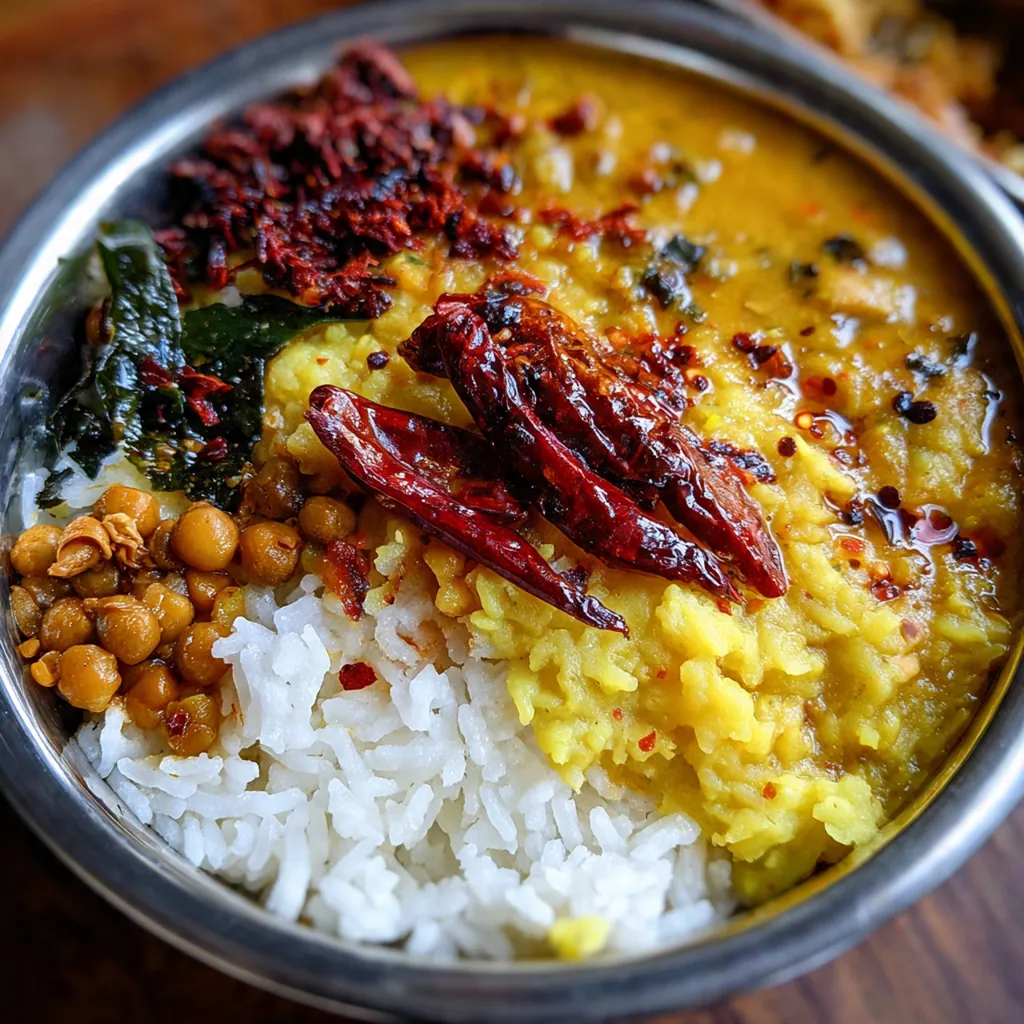
The classic and absolute best way to serve your masala dosa is hot off the griddle with a couple of dollops of tangy coconut chutney and a small bowl of steaming, vegetable-packed sambar for dipping and spooning over. For a lighter meal, just the chutney is perfect. To make it a full South Indian breakfast spread, add a small cup of strong filter coffee and maybe some idlis or vadas on the side – it’s a feast that never fails to impress.
Cultural Context
The masala dosa isn’t just a dish; it’s a cornerstone of South Indian culinary identity, enjoyed from humble street stalls to home kitchens and fancy restaurants alike. Its origins are often traced to the Udupi region of Karnataka, where temple cuisine emphasized vegetarian, fermented foods that were both nutritious and easy to digest. The practice of fermentation, a warm climate’s gift, gives the dosa its distinctive tang and airy structure. Today, it’s a beloved breakfast and snack all over India and the world, a perfect example of how simple ingredients, transformed by time and technique, can create something extraordinary.
Pro Tips
- Don’t skimp on the oil when cooking the dosa for maximum crispness
- Let your batter come to room temp for 30 minutes before cooking
- Your first dosa is a test to adjust the heat perfectly
- I always keep my potato masala warm while cooking the crepes
Frequently Asked Questions
For an authentic, crispy texture, use idli rice or sona masoori rice as listed. These varieties are parboiled, which helps create the perfect, non-sticky batter that ferments well and yields that signature golden, crisp dosa.
Absolutely. The batter needs to ferment for 8-12 hours. After that, you can store it in the refrigerator for up to 5 days. The flavor actually improves over the first couple of days, making it a great make-ahead breakfast.
Fresh curry leaves provide a unique citrusy, aromatic flavor. If you can’t find them, you can omit them, but you’ll lose some authenticity. Dried curry leaves are a less potent alternative, or a pinch of curry powder added with the other spices can add a different but pleasant complexity.
Your dosa is ready when the edges lift easily from the pan and the entire surface looks dry and matte, not shiny. It should be golden brown and crisp, usually taking about 90 seconds to 2 minutes on a medium-high heat.
Traditionally, it’s served with coconut chutney and sambar (a lentil-based vegetable stew). For a complete meal, add a side of tomato chutney or a simple yogurt to balance the spices and textures.