

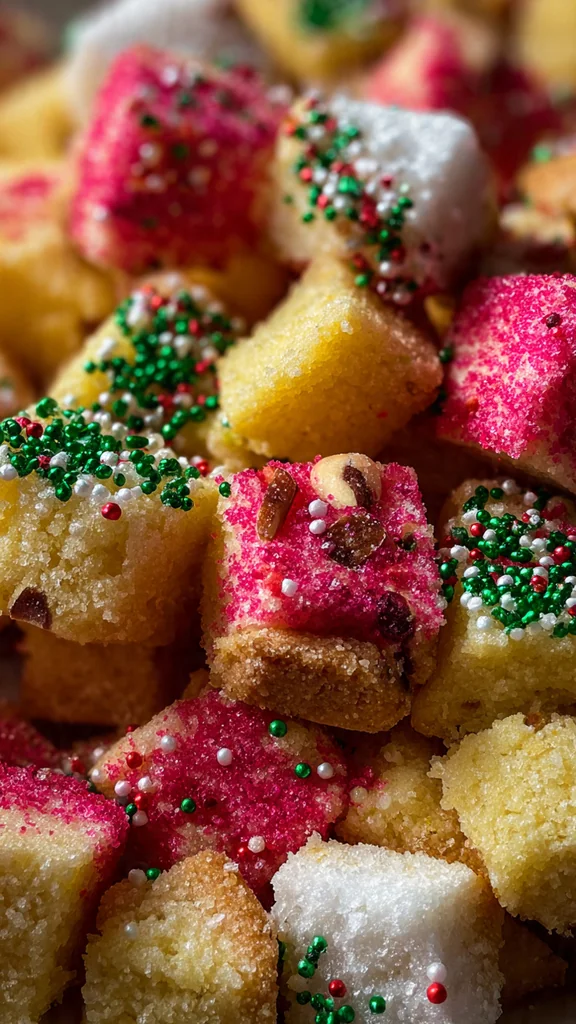
This Festive Shortbread recipe brings a cheerful citrus and spice twist to the classic buttery cookie, perfect for your holiday table. Its Scottish-inspired roots are honored in the simple method and crumbly texture that melts in your mouth. The bright orange and lemon zest combined with warm cinnamon and nutmeg create a symphony of seasonal flavor. You’ll find this recipe incredibly straightforward, yielding a treat that feels special enough for any celebration.
Why You'll Love This Recipe
- You get a buttery, crumbly texture with a cheerful citrus and spice flavor
- It’s incredibly easy to make with simple, pantry-staple ingredients
- Perfect for holiday gift-giving or cookie exchanges with friends
- You can customize it with your favorite dried fruits and nuts
- I make a double batch every year because they disappear fast
Ingredients You’ll Need
- Unsalted butter: Using unsalted butter lets you control the salt level perfectly, and softened butter creams beautifully with sugar for that light, airy texture you want. European-style butter with a higher fat content will give you an even richer, more tender crumb.
- Granulated sugar: Fine sugar dissolves easily into the butter, creating a smooth dough without any grittiness. It sweetens without overpowering the delicate citrus and spice notes.
- Vanilla extract: Pure vanilla extract adds a warm, comforting background note that complements the citrus zest beautifully. It rounds out the flavor profile and makes the cookies smell incredible while baking.
- Orange zest: The bright, sunny oils in fresh orange zest provide a vibrant burst of flavor that cuts through the richness. Always zest directly into the bowl to capture every bit of aromatic oil.
- Lemon zest: Lemon zest adds a necessary sharp, clean note that balances the sweetness and keeps the cookies from tasting too heavy. It pairs magically with the orange for a complex citrus blend.
- All-purpose flour: This provides the structure for your shortbread, giving it that signature snap and crumble. For the best texture, fluff your flour with a spoon before measuring it.
- Salt: A little salt is essential to elevate all the other flavors and prevent the cookies from tasting flat. It makes the butter taste richer and the citrus pop even more.
- Ground cinnamon: This warm, familiar spice is the heart of the festive flavor, adding a cozy depth that feels like the holidays. Freshly ground cinnamon from sticks has the most potent aroma.
- Ground nutmeg: Nutmeg offers a subtly sweet, nutty warmth that complements the cinnamon perfectly. A little goes a long way, so grate it fresh if you can for the best flavor.
- Dried cranberries: Chopped dried cranberries add pops of chewy texture and a tangy-sweet fruitiness that looks so festive. Look for unsweetened varieties if you prefer a less sugary cookie.
- Shelled pistachios: Chopped pistachios contribute a lovely crunch and a beautiful green color that screams holiday. Their mild, buttery flavor doesn’t compete with the other ingredients.
- Powdered sugar: A light dusting of powdered sugar after baking gives the cookies a snowy, finished look and a delicate sweetness on the surface.
- White chocolate: Drizzled melted white chocolate adds a creamy, sweet contrast and makes the cookies look professionally decorated. Use a bar of baking chocolate for the smoothest melt.
- Festive sprinkles or edible gold dust: These are your chance to add a personal touch of sparkle and color, making each batch unique and celebration-ready.
How to Make It
Preheat and Prep Your Pan:
Start by preheating your oven to 325°F and lining your baking sheet with parchment paper. This gentle heat is key for even baking without browning the centers too much, and the parchment guarantees no sticking and easy cleanup.
Cream the Butter and Sugar:
In your large bowl, use an electric mixer to beat the softened butter and sugar together for a solid two to three minutes. You’re looking for it to become noticeably pale and fluffy, which incorporates air for a lighter texture. Don’t rush this step, as it’s the foundation of your cookie’s crumb.
Incorporate the Flavor Boosters:
Beat in the vanilla extract and both citrus zests until they’re completely combined and the mixture is fragrant. This is where the festive character really starts to develop, so make sure every bit of zest is evenly distributed throughout the butter.
Combine the Dry Ingredients:
In a separate bowl, whisk together the flour, salt, cinnamon, and nutmeg. Whisking ensures the spices and salt are evenly dispersed so every bite is perfectly seasoned. This also aerates the flour a bit, which helps with the tender texture.
Bring the Dough Together:
With the mixer on low, gradually add the dry ingredients to the butter mixture until just combined. The moment you no longer see dry flour, stop mixing to avoid developing gluten and making tough cookies. If you’re adding them, now is the time to gently fold in the chopped cranberries and pistachios by hand.
Shape and Chill the Dough:
Turn your dough out onto a lightly floured surface and shape it into a neat log about two inches in diameter. Wrap it tightly in plastic wrap and refrigerate for at least thirty minutes. This chill time firms up the butter, which prevents excessive spreading and gives you clean, sharp slices.
Slice and Arrange for Baking:
Unwrap your chilled dough log and use a sharp knife to slice it into half-inch thick rounds. Place them on your prepared sheet about an inch apart so they have a little room to breathe. A sharp knife is crucial here for clean edges without squashing the log.
Bake to Golden Perfection:
Bake your cookies for 20 to 25 minutes, until the edges just barely begin to turn a light golden brown. The centers should stay quite pale for that classic shortbread look. I like to rotate the baking sheet halfway through for the most even bake.
Cool and Decorate:
Let the cookies cool on the baking sheet for five minutes to set, then transfer them to a wire rack to cool completely. If you’re decorating, dust with powdered sugar or drizzle with melted white chocolate while they’re still slightly warm so it sticks. Then let everything set fully before you package or serve them.
You Must Know
- Softened butter is key for creaming, but melted butter will ruin the texture
- Chilling the dough log is non-negotiable for clean slices
- The cookies are done when just the edges blush golden
- Let them cool completely on a rack for the ideal crispness
- My family fights over the ones with the extra white chocolate drizzle
Storage Tips
Store your completely cooled festive shortbread in an airtight container at room temperature, and they’ll stay fresh and crisp for up to two weeks, making them perfect for getting a head start on holiday baking. For longer storage, you can freeze the baked cookies: first freeze them in a single layer on a tray until solid, then transfer them to a freezer bag where they’ll keep beautifully for up to three months. I always stash a few bags in the freezer for unexpected guests, and they thaw in minutes. Just avoid storing them in the fridge, as that can introduce moisture and make them lose their delightful crumble.
Ingredient Substitutions
If you’re out of fresh citrus, a teaspoon of high-quality orange extract can stand in for the zest, though the flavor won’t be as bright and vibrant. Swap the cranberries for an equal amount of chopped dried apricots, cherries, or even raisins for a different fruity twist, and the pistachios can easily become pecans, walnuts, or almonds based on your preference or what’s in your pantry. For a gluten-free version, a one-to-one gluten-free all-purpose flour blend works wonderfully, and for dairy-free, your favorite vegan butter substitute will give you a very similar rich, tender result. Just remember to omit the nuts entirely if there’s an allergy, and the cookies will still be fantastic.
Serving Suggestions
These festive shortbread cookies are a dream with a cup of hot tea, black coffee, or even a glass of mulled wine during the holidays, as the spices in the drink and the cookie echo each other beautifully. For a stunning dessert platter, arrange them alongside other holiday treats like peppermint bark, spiced nuts, and chocolate truffles, where their simple elegance really shines. I love packing them in cellophane bags tied with ribbon for thoughtful homemade gifts, or crumbling them over vanilla ice cream for an impromptu, buttery crumble topping that’s always a hit.
Cultural Context
Shortbread’s origins are firmly rooted in Scotland, where it began centuries ago as a thrifty way to use up leftover bread dough that was baked a second time until it hardened into a ‘biscuit bread.’ The classic ratio of one part sugar to two parts butter to three parts flour was practically a law, revered for producing that iconic sandy, crumbly texture that melts on the tongue. Our festive version playfully adapts this heritage by introducing New World citrus and spices, a nod to how holiday baking traditions naturally evolve by incorporating available flavors. It’s a beautiful example of a simple, time-honored recipe providing a perfect canvas for personal, seasonal expression.
Pro Tips
- Use a bench scraper to help shape a perfect dough log
- Warm your knife under hot water for the cleanest slices
- Let decorations set fully before stacking or gifting
- I always bake a test cookie first to check my oven’s temperature
Frequently Asked Questions
You can easily customize your Festive Shortbread! Try chopped dried apricots, cherries, or even white chocolate chips. For nuts, almonds or pecans make great substitutes for pistachios. You can also leave them out entirely for a simpler, classic shortbread.
Absolutely! The dough logs freeze beautifully for up to 3 months. Just slice and bake from frozen, adding a few extra minutes to the bake time. Baked Festive Shortbread keeps in an airtight container at room temperature for up to 2 weeks, making it perfect for holiday prep.
A slightly crumbly dough is normal due to the high butter-to-flour ratio—this is what creates that melt-in-your-mouth texture. If it’s too dry to press together, let the softened butter sit a bit longer at room temperature or add just a teaspoon of cold water until it comes together without being sticky.
The shortbread is done when the edges are just beginning to turn a very light golden brown, usually around 22-25 minutes. It will still look pale on top. It firms up significantly as it cools, so avoid overbaking for the best tender, crumbly texture.
This Scottish-inspired treat pairs wonderfully with a cup of strong black tea, coffee, or even a glass of dessert wine like Muscat. For a festive platter, serve it alongside other cookies, cheeses, and fresh fruit like clementines or pears.