

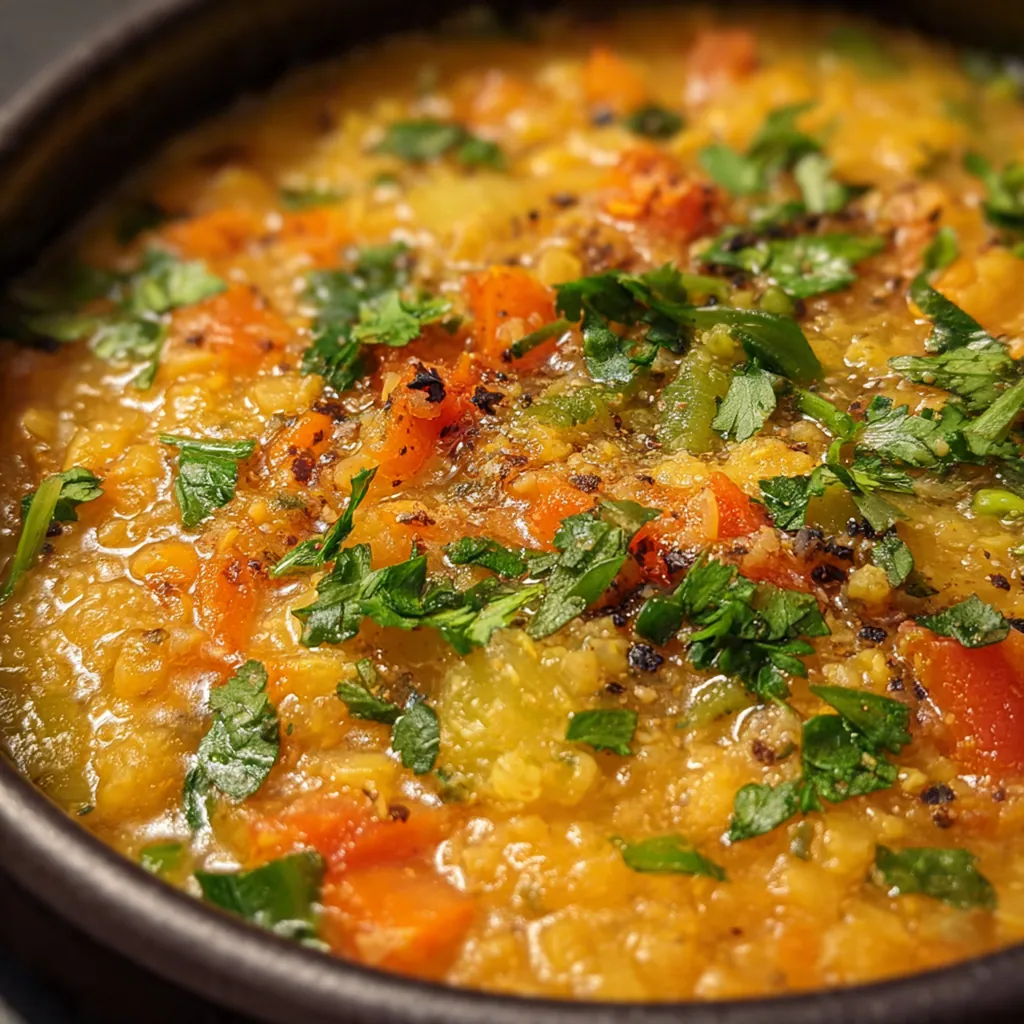
This creamy red lentil dal is the kind of dish that feels like a warm hug at the end of a long day. It’s a fundamental, comforting staple in Indian kitchens, celebrated for its simplicity and incredible depth of flavor. Red lentils cook down into the most luxurious texture without any cream, and the aromatic spices fill your kitchen with the best scent. I make this nearly every week because it’s a foolproof, nourishing meal that truly feeds the soul.
Why You'll Love This Recipe
- Ready in under 45 minutes from start to finish
- Packed with plant-based protein and fiber for a satisfying meal
- Warmly spiced and deeply flavorful without being too spicy
- Naturally gluten-free and vegan-friendly for easy serving
- It’s the kind of budget-friendly recipe you’ll return to again and again
Ingredients You’ll Need
- Red lentils: They’re the star of the dish, breaking down into a creamy, comforting texture; look for masoor dal in Indian grocery stores for the best quality.
- Water: The simple cooking liquid that allows the lentils to soften and the flavors to concentrate as they simmer.
- Vegetable oil or ghee: Ghee adds an authentic, nutty richness while oil keeps it vegan; either creates the base for frying the spices.
- Cumin seeds: Whole seeds sizzled in hot oil are your first flavor layer, releasing a warm, earthy fragrance that’s quintessential to Indian cooking.
- Onion: Finely chopped and cooked slowly until soft; this sweet, savory base builds a foundational flavor for the entire dish.
- Garlic: Minced and added with the ginger for a pungent, aromatic kick that mellows beautifully as it cooks.
- Fresh ginger: Grated for the best texture; its sharp, bright heat is non-negotiable for an authentic dal flavor profile.
- Green chili: An optional pop of fresh, vegetal heat; I often leave the seeds in for more punch but you can remove them.
- Ground turmeric: Imparts that classic golden hue and a warm, slightly bitter earthiness that’s so good for you.
- Ground coriander: Offers a subtle, citrusy floral note that balances the other, warmer spices perfectly.
- Cayenne pepper: Provides the main heat; you can adjust this amount to suit your family’s tolerance for spice.
- Salt: Essential for seasoning and brightening all those layered flavors; start with the measured amount and taste at the end.
- Tomato: Diced and cooked until it softens; it adds a touch of acidity and body to the spice mixture.
- Fresh cilantro: Chopped and stirred in at the end for a burst of fresh, herbal brightness that lifts the whole dish.
- Lemon juice: The final magic touch; a little splash of acidity just before serving makes every flavor pop.
- Garam masala: An optional sprinkle; this finishing spice blend adds a final layer of warming complexity.
How to Make It
Rinse and Cook the Lentils:
Begin by placing your red lentils in a fine-mesh sieve and rinse them under cold running water, swishing them with your hand until the water runs clear. This removes any dust or debris and prevents excess foam from forming during cooking. Transfer the rinsed lentils to a medium pot and add three cups of fresh water.
Simmer Until Tender:
Bring the pot to a rolling boil over high heat, then immediately reduce the heat to low and cover with a lid. Let the lentils simmer gently for 15 to 20 minutes, giving an occasional stir. You’ll know they’re done when they’re very soft and starting to break down into a creamy consistency.
Temper the Whole Spices:
While the lentils cook, heat your oil or ghee in a skillet over medium heat. Once it’s shimmering, add the cumin seeds. Let them sizzle for about 30 seconds until they become incredibly fragrant; this quick toasting unlocks their full potential.
Build the Aromatic Base:
Add the finely chopped onion to the skillet with the cumin seeds and cook, stirring often, for 5 to 7 minutes. You want the onions to turn soft and translucent without taking on much color. This slow cooking develops their natural sweetness.
Add the Fresh Aromatics:
Stir in the minced garlic, grated ginger, and chopped green chili if you’re using it. Cook this mixture for another two minutes, just until the raw edge is gone and your kitchen smells amazing. Be careful not to let the garlic burn.
Toast the Ground Spices:
Now add the ground turmeric, coriander, cayenne pepper, and salt directly into the skillet. Stir constantly for about one full minute; toasting the powdered spices in the oil like this deepens their flavor dramatically.
Incorporate the Tomato:
Toss in the diced tomato and cook for 3 to 4 minutes more, using your spoon to break them down a bit. The tomatoes will soften and start to meld with the spices, creating a thick, fragrant paste.
Combine and Finish the Dal:
Once your lentils are cooked, scrape the entire contents of the skillet into the pot with them. Stir everything together well and let it simmer on low for another 5 to 10 minutes so the flavors can marry. Turn off the heat and stir in the lemon juice and cilantro if you like. Taste it and add a touch more salt if it needs it.
Rest and Serve:
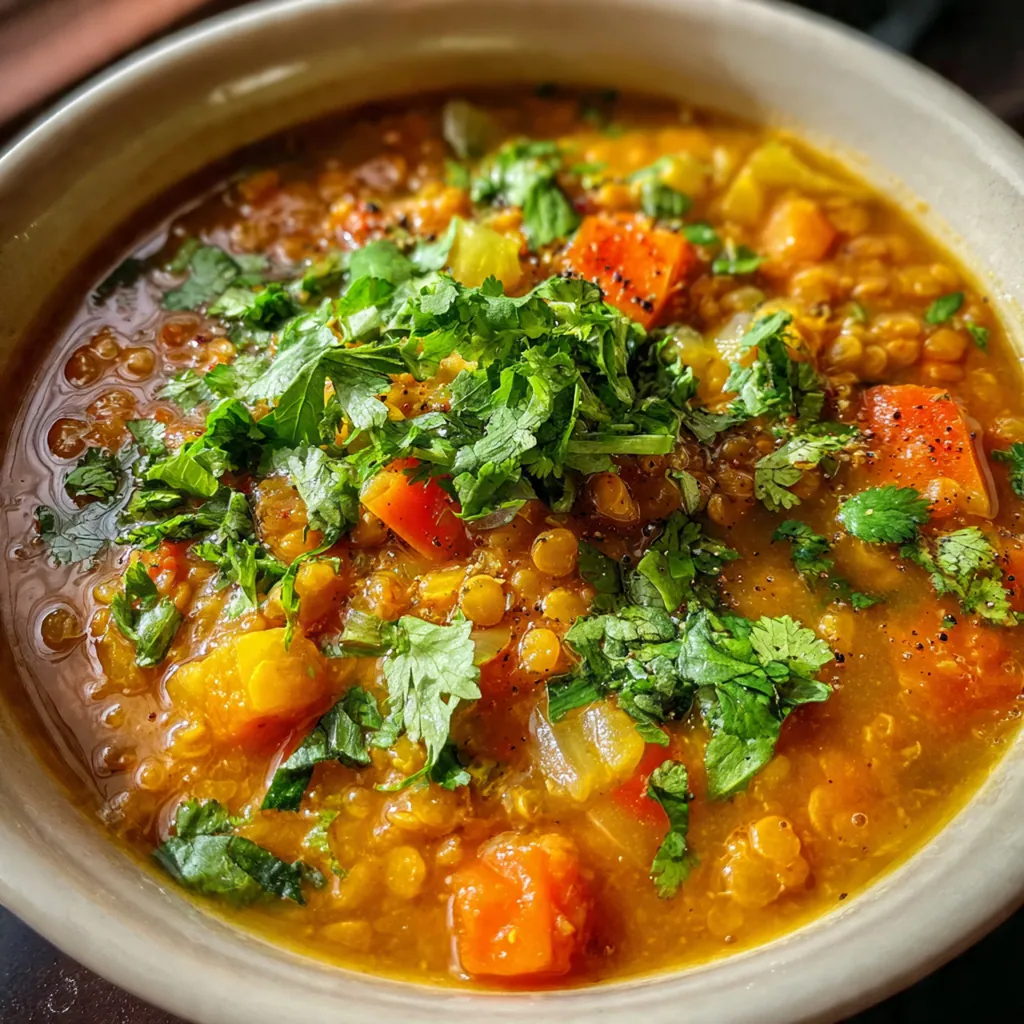
Let the dal sit off the heat for about five minutes before you ladle it into bowls. This short rest allows the flavors to settle and deepen even further, making your first spoonful even better.
You Must Know
- Rinsing the lentils is non-negotiable for a clean flavor
- Toasting the spices in oil makes all the difference in the world
- The dal will thicken as it sits, so don’t worry if it looks loose
- Letting it rest for five minutes after cooking is my secret weapon
Storage Tips
Store any leftover dal in an airtight container in the refrigerator, where it’ll stay perfect for up to four days – the flavors actually improve overnight. You can also freeze it for up to three months in a freezer-safe container or bag; I often freeze it in single-serving portions for an instant lunch. To reheat, simply warm it gently on the stovetop over low heat, adding a splash of water or broth to loosen it back to your desired creamy consistency. The microwave works in a pinch too, just stir it every 30 seconds to prevent hot spots.
Ingredient Substitutions
If you don’t have ghee or prefer to keep it oil-free, any neutral vegetable oil like avocado or sunflower works perfectly. For a different flavor profile, try using mustard seeds instead of cumin for the initial sizzle, or swap the fresh tomato for a couple of tablespoons of tomato paste cooked for a minute. No fresh ginger? Use about a teaspoon of ground ginger added with the other dried spices, though the flavor will be a bit different. If you’re out of fresh cilantro, a small handful of chopped fresh spinach stirred in at the end adds a nice color and bit of green. In place of the green chili, a pinch of red pepper flakes added with the spices works just fine.
Serving Suggestions
I almost always serve this red lentil dal over a big mound of fluffy basmati rice or with warm, buttery naan bread for scooping up every last bit. For a complete meal, add a side of cool cucumber raita or a simple salad with a lemony dressing to cut through the richness. It’s also fantastic as a hearty soup on its own, or spooned over roasted sweet potatoes or cauliflower for a low-carb option. Don’t forget those extra lemon wedges on the side – a little extra squeeze right before eating makes it sing.
Cultural Context
Dal, in its countless regional variations, is the comforting heartbeat of an Indian meal, a dish of humble lentils transformed by spice and care. This particular version with red lentils, or masoor dal, is a classic found in home kitchens across the subcontinent, prized for its quick cooking time and creamy result. It embodies the principle of ‘tadka’ or ‘chaunk’ – the technique of tempering whole spices in hot oil or ghee and pouring it over the finished dish, which we do here by cooking the spices first. This foundational technique unlocks the volatile oils in the spices, infusing the entire pot with a depth of flavor that simple stirring could never achieve, turning simple ingredients into something truly special.
Pro Tips
- For an ultra-creamy texture, blend half the cooked dal with an immersion blender
- Adjust the final consistency with hot water until it’s just how you like it
- Taste and adjust the salt and lemon juice right at the end – it’s crucial
- A final pinch of garam masala on top adds a wonderful aromatic finish
- I always make a double batch because leftovers are even better
Frequently Asked Questions
Yes, rinsing your red lentils is a key step for the best texture. It removes any dust or debris and helps prevent the dal from becoming overly starchy or foamy as it cooks, ensuring that creamy, smooth consistency.
Absolutely! Red lentil dal tastes even better the next day as the flavors meld. Simply let it cool, store it in an airtight container in the fridge for up to 3 days, and gently reheat it on the stovetop, adding a splash of water to loosen it up if needed.
If you don’t have ghee, a good vegetable oil works perfectly. For a richer, nuttier flavor similar to ghee, you can use coconut oil or a neutral oil with a small pat of butter added at the end of cooking.
After about 20-25 minutes of simmering, the red lentils will break down completely. Your dal is ready when it has a thick, creamy, porridge-like consistency with no hard bits remaining. Stirring more frequently toward the end prevents sticking.
This creamy dal is traditionally served with steamed basmati rice or warm naan or roti for scooping. For a complete meal, add a side of simple cucumber salad or sautéed spinach (saag).