

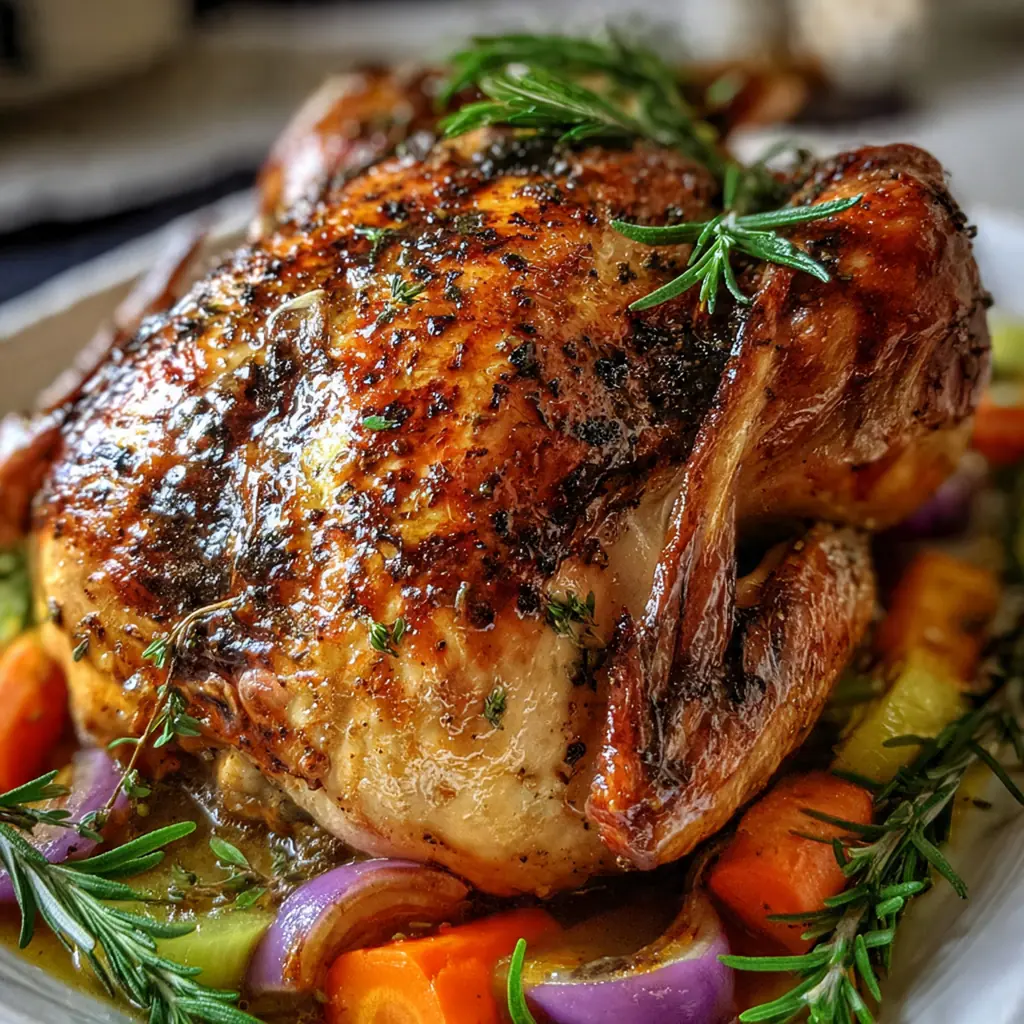
A perfect roast turkey is the crowning jewel of any festive table, and this herb-roasted turkey recipe delivers exactly that. This American classic centers around a simple but transformative technique: rubbing fragrant herb butter under the skin. That secret step creates incredibly juicy, flavorful meat and the most beautifully crisp, golden skin you’ll ever taste. It’s a timeless method that turns a simple bird into a memorable centerpiece your guests will rave about for years to come.
Why You'll Love This Recipe
- The herb butter under the skin makes every bite juicy and flavorful
- You get that restaurant-quality crispy skin without any special equipment
- It’s a surprisingly straightforward process for such an impressive result
- Leftovers make the best sandwiches and soups imaginable
- This is the only roast turkey recipe I use for the holidays now
Ingredients You’ll Need
- Whole turkey: choosing a 12 to 14 pound bird ensures even cooking and manageable carving, look for one with plump skin and no freezer burn for the best results.
- Kosher salt: its coarse flakes season deeply and help draw out moisture for crispy skin, it’s my go-to for all poultry.
- Black pepper: freshly ground pepper adds a warm, aromatic heat that complements the herbs beautifully without overpowering.
- Unsalted butter: softened butter mixes easily with herbs and lets you control the salt level, it also creates a gorgeous golden crust.
- Fresh rosemary leaves: this woodsy herb infuses the butter with a fragrant pine-like aroma that soaks right into the meat.
- Fresh thyme leaves: tiny but mighty, thyme offers a subtle, earthy flavor that’s classic in holiday cooking.
- Fresh sage leaves: sage brings a slightly peppery, savory note that pairs perfectly with turkey and makes the kitchen smell incredible.
- Lemon: quartering and stuffing it inside adds a bright, fresh acidity that cuts through the richness as it roasts.
- Yellow onion: its natural sugars caramelize during roasting, contributing to a deeper, more complex flavor in the pan juices.
- Celery: this aromatic vegetable adds moisture and a subtle herbal note to the cavity, enhancing the overall savoriness.
- Carrots: their natural sweetness balances the other savory elements in the cavity and helps create a flavorful base for drippings.
- Garlic: roasting whole cloves in the cavity mellows their sharpness and adds a sweet, nutty background flavor.
- Low-sodium chicken broth: poured in the pan, it creates steam to keep the meat moist and prevents the drippings from burning.
How to Make It
Prepare the Turkey:
Take your turkey out of the fridge and remove any giblets or neck from the cavity. Pat the entire bird completely dry with paper towels, inside and out, because dry skin is the key to getting it crispy. Let it sit on the counter for about 30 minutes to take the chill off, which helps it cook more evenly.
Make the Herb Butter:
While the turkey rests, combine the softened butter with your chopped rosemary, thyme, sage, and a portion of the salt and pepper. Mix it all together until it’s well combined and fragrant. This butter is your secret weapon for flavor and moisture, so don’t rush this step.
Season and Stuff the Cavity:
Sprinkle the remaining salt and pepper inside the turkey cavity. Then, stuff it with the quartered lemon, onion, celery, carrots, and garlic cloves. These aromatics steam from the inside, adding incredible depth of flavor to the meat without making it soggy.
Loosen the Skin and Add Butter:
This is the most important step. Gently slide your fingers between the skin and the breast meat, working carefully so you don’t tear the skin. Spread about half of the herb butter directly onto the meat under the skin, which seasons it from the inside out.
Rub and Truss the Turkey:
Use the remaining herb butter to coat the entire outside of the turkey, covering the legs, wings, and breast thoroughly. Tie the legs together with kitchen twine and tuck the wing tips under the body. This helps the turkey cook evenly and keeps it looking neat.
Set Up the Roasting Pan:
Place the turkey breast-side up on a rack set inside your roasting pan. Pour the chicken broth into the bottom of the pan. The broth creates a steamy environment and keeps those precious drippings from scorching, which you’ll want for gravy later.
Roast and Baste:
Roast the turkey in your preheated oven, calculating about 13 minutes per pound. Start basting it with the pan juices every 30 minutes to keep the skin glossy and the meat moist. If the skin starts getting too dark too quickly, just loosely tent the breast area with a piece of foil.
Check for Doneness and Rest:
The turkey is done when an instant-read thermometer inserted into the thickest part of the thigh reads 165°F. Once it hits that temperature, carefully transfer it to a cutting board, tent it loosely with foil, and let it rest. This resting period is non-negotiable for juicy, sliceable meat.
Carve and Serve:
After the turkey has rested, remove the kitchen twine and discard the cooked aromatics from the cavity. Use a sharp carving knife to slice the meat, and don’t forget to pour those delicious pan juices over the carved platter for extra flavor and moisture.
You Must Know
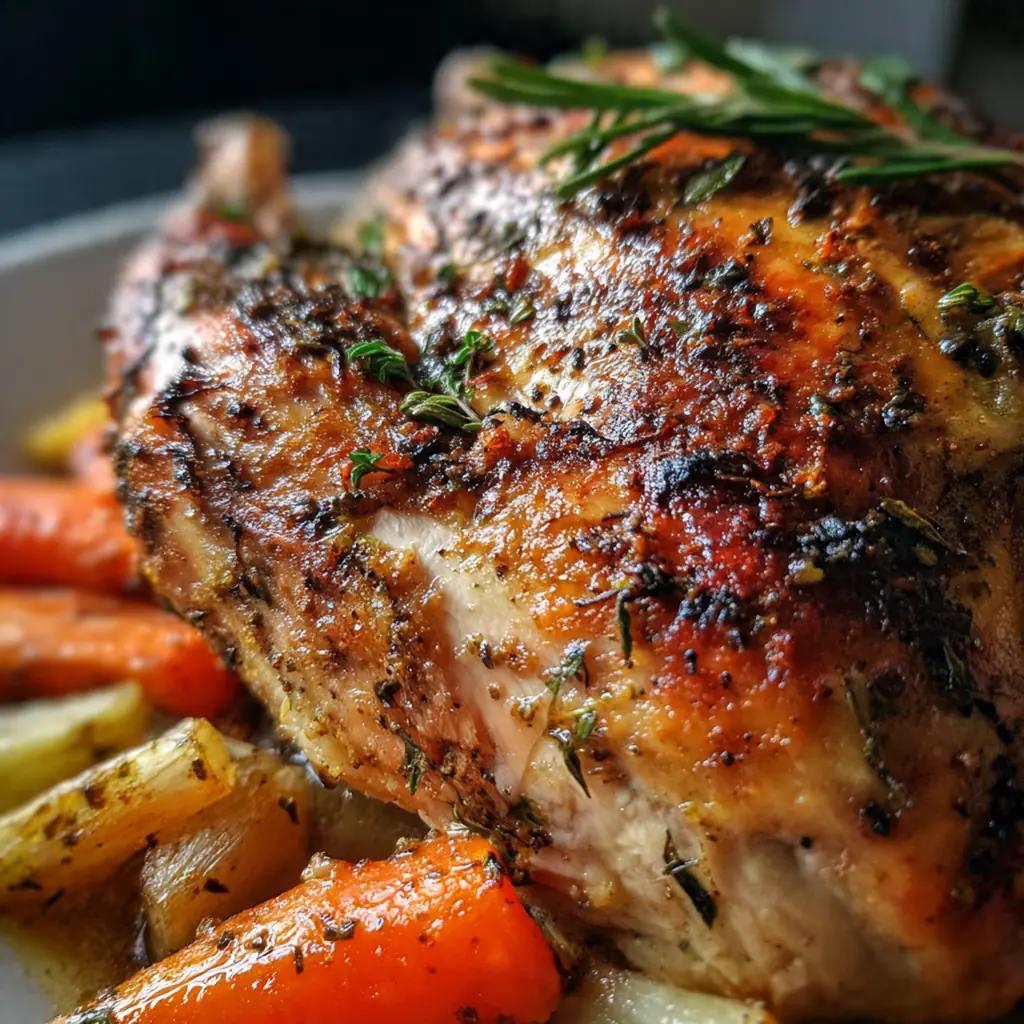
- Patting the turkey completely dry is the first step to crispy skin
- Spreading butter under the skin directly seasons the breast meat
- Letting the turkey rest before carving locks in the juices
- A meat thermometer is your best friend to prevent overcooking
Storage Tips
Let any leftover turkey cool completely before storing it in airtight containers in the fridge, where it’ll stay perfect for up to four days. For longer storage, you can freeze portions in freezer-safe bags or containers for up to three months – I like to separate the white and dark meat. When you’re ready to enjoy it again, reheat the turkey gently in a 300°F oven with a splash of broth to keep it from drying out, or use it cold in salads and sandwiches where it shines.
Ingredient Substitutions
If you’re out of fresh herbs, you can use dried, but remember to use only one-third of the amount since they’re more concentrated. For a dairy-free version, simply swap the butter for a good quality olive oil – it’ll still give you that golden, crisp skin. Don’t have a lemon? A quartered orange works beautifully for a slightly sweeter citrus note. You can also swap the yellow onion for a white or red onion, or even a couple of shallots in a pinch. The chicken broth can be replaced with vegetable broth or even water, though broth adds more depth.
Serving Suggestions
This roast turkey deserves a full spread of classic sides like creamy mashed potatoes, buttery dinner rolls, and a tangy cranberry sauce to cut through the richness. Don’t forget to make a simple gravy from the flavorful drippings left in the pan – it ties the whole meal together. For a lighter touch, I love adding roasted Brussels sprouts with bacon or a bright, fresh green salad with a sharp vinaigrette. And save that carcass, because simmering it with some veggies makes the most incredible homemade turkey stock for soups later in the week.
Cultural Context
The roast turkey is an iconic centerpiece of American holiday tables, particularly Thanksgiving, a tradition that traces its roots back to early 17th century harvest celebrations. While the bird itself is native to North America, the method of roasting it with butter and herbs is a technique borrowed from European culinary traditions, creating a beautiful fusion on the plate. It’s more than just a meal; it’s a symbol of abundance, gathering, and shared gratitude, with every family often having their own slight variation on the herb blend or stuffing. This particular recipe focuses on that classic, timeless approach that highlights the turkey’s natural flavor with simple, aromatic enhancements, ensuring it remains the star of the show.
Pro Tips
- Let the turkey sit out before roasting for more even cooking
- A meat thermometer is the only sure way to know it’s done
- Resting the bird for 30 minutes makes carving so much easier
- Save the carcass and make a rich, homemade stock
Frequently Asked Questions
This recipe is designed for a 12 to 14 pound turkey, which is the ideal size for even cooking and serving 8 people. A larger bird may require additional roasting time, while a smaller one will cook faster. Always use a meat thermometer to ensure the thickest part of the breast reaches 165°F.
You can prepare the herb butter and chop your vegetables a day ahead. For the best texture, it’s recommended to roast the turkey the day you plan to serve it. However, you can carve it and store the meat in its juices in the refrigerator for up to 3 days, making it perfect for next-day sandwiches or casseroles.
If you don’t have fresh herbs, you can use dried. For the 2 tablespoons of fresh chopped rosemary and thyme listed, substitute 2 teaspoons of each dried herb. The flavor will be slightly more concentrated, so rub the dried herbs directly into the softened butter along with the sage.
The most reliable method is using a meat thermometer. Insert it into the thickest part of the breast and the inner thigh, avoiding the bone. The turkey is ready when the breast reaches 165°F and the thigh reaches 175°F. The skin should be a deep golden brown, and the juices should run clear.
Classic American sides like mashed potatoes, gravy made from the pan drippings, green bean casserole, stuffing, and cranberry sauce pair perfectly. For a complete holiday spread, add roasted carrots and celery (like those used in the pan) and a fresh garden salad.