

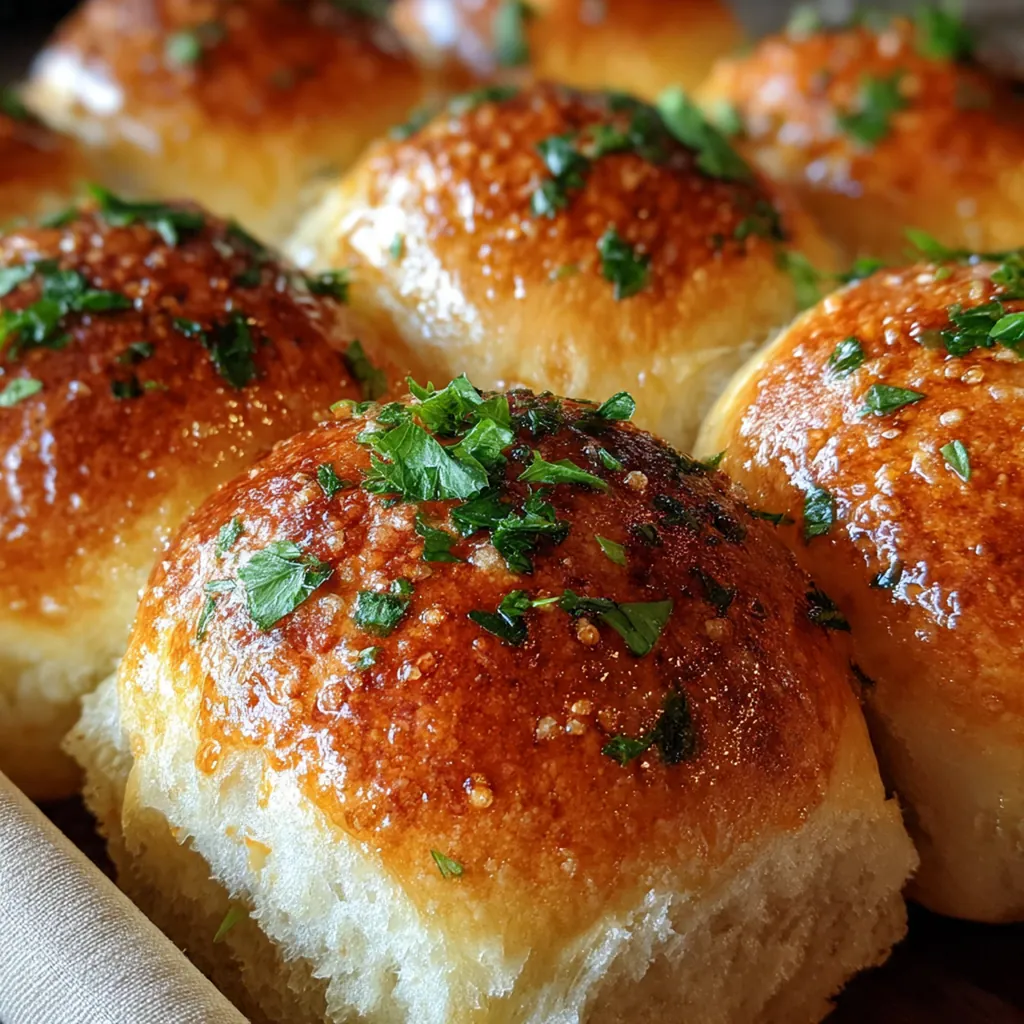
These Amish Butter and Egg Dinner Rolls bring the warmth of a farmhouse kitchen right to your table. This staple of Amish gatherings showcases how simple ingredients like farm-fresh eggs and butter transform into something spectacular. The dough yields rolls that are impossibly soft, fluffy, and rich with a flavor that melts in your mouth. Every batch fills your home with that irresistible aroma of homemade bread, promising comfort in every bite.
Why You'll Love This Recipe
- Incredibly soft and fluffy texture with a rich buttery flavor
- Simple pantry ingredients create an authentic homemade taste
- Perfect for making any dinner feel like a special occasion
- They make your kitchen smell absolutely amazing while baking
Ingredients You’ll Need
- Whole milk: warmed to just the right temperature to activate the yeast without killing it, which is key for that perfect rise. You’ll get the best results if you use a thermometer.
- Granulated sugar: feeds the yeast to get it bubbling and adds a subtle sweetness that balances the richness of the butter.
- Active dry yeast: the magical leavening agent that makes the dough rise and become light and airy, always check that it’s fresh for best results.
- Unsalted butter: melted and cooled, it’s the star that gives these Amish Butter and Egg Dinner Rolls their signature rich, tender crumb and flavor.
- Large eggs: at room temperature to incorporate easily, they provide structure, a beautiful golden color, and a wonderfully tender texture.
- Salt: enhances all the other flavors in the dough, don’t skip it as it’s essential for balancing the sweetness.
- All-purpose flour: forms the structure of the dough, you’ll add it gradually until the dough is smooth and elastic but still soft.
- Unsalted butter for brushing: melted and brushed on hot from the oven, this gives the rolls a gorgeous glossy finish and extra buttery taste.
- Flaky sea salt: an optional sprinkle that adds a delightful crunch and burst of flavor, elevating simple rolls to something special.
- Fresh parsley: another optional garnish that adds a pop of color and a fresh herbal note, perfect for holiday tables.
How to Make It
Activate the Yeast:
Combine your warmed milk, sugar, and yeast in a large bowl and just let it sit. You’re looking for that foamy, bubbly surface after about five to ten minutes, which tells you the yeast is alive and ready to work its magic in your Amish Butter and Egg Dinner Rolls.
Combine Wet Ingredients:
Whisk the melted butter, eggs, and salt right into that yeasty mixture. You want everything fully incorporated so each roll has an even, rich flavor and that beautiful golden hue from the eggs.
Incorporate the Flour:
Stir in four cups of flour with a wooden spoon until a shaggy dough forms and starts pulling away from the bowl’s sides. This initial mixing starts developing the gluten structure you need.
Knead the Dough:
Turn the dough onto a floured surface and knead for a full eight to ten minutes, adding a little more flour only if it’s sticking badly. You’re done when the dough is smooth, elastic, and springs back when you gently poke it.
First Rise:
Place the dough in a greased bowl, turn it to coat, and cover it with a clean towel. Let it rise in a warm spot until doubled in size, which usually takes about an hour and a half. This slow rise builds fantastic flavor.
Shape the Rolls:
Punch down the dough to release the air, then turn it out and divide it into twelve equal pieces. Shape each piece into a smooth ball by tucking the edges underneath and place them in your greased baking pan.
Second Rise:
Cover the pan again and let those shaped rolls rise until they’re puffy and nearly doubled, about thirty to forty-five minutes. This final proof is what gives you those wonderfully light Amish Butter and Egg Dinner Rolls.
Bake and Finish:
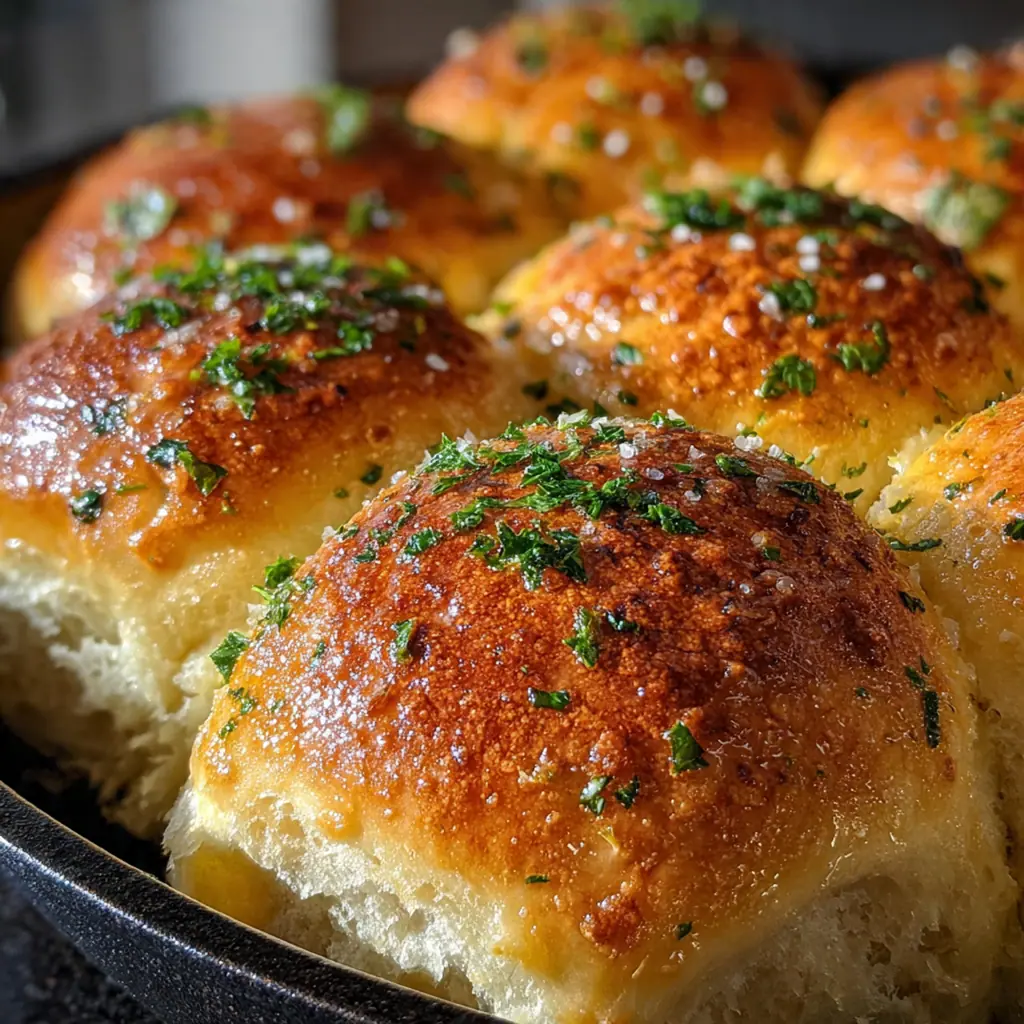
Bake in a preheated oven until the tops are a deep golden brown. The second they come out, brush them generously with melted butter for that iconic shine and extra layer of flavor before letting them cool slightly.
You Must Know
- Properly warmed milk is non-negotiable for activating the yeast
- Kneading develops the gluten for that perfect fluffy texture
- The double rise is essential for flavor and lightness
- That post-bake butter brush is a game-changer for taste
Storage Tips
Once your Amish Butter and Egg Dinner Rolls have cooled completely, store them in an airtight container or a resealable bag at room temperature where they’ll stay fresh and soft for up to three days. For longer storage, wrap them tightly in plastic wrap and then foil before freezing for up to three months; you can reheat frozen rolls straight from the freezer in a 350°F oven for about ten to fifteen minutes until they’re warm and soft again. I find they’re best the day they’re made, but that reheating trick brings them right back to life.
Ingredient Substitutions
If you only have salted butter on hand, you can use it but reduce the added salt in the dough by about a quarter teaspoon to account for it. Bread flour can be used in place of all-purpose for a slightly chewier roll with more structure, though the texture will be a bit different. In a pinch, you can proof the yeast with a tablespoon of honey instead of the granulated sugar, which will add a very subtle floral note to your Amish Butter and Egg Dinner Rolls.
Serving Suggestions
Serve these rolls warm with a generous slather of softened butter, a drizzle of honey, or your favorite jam or fruit butter for a simple treat. They’re absolutely perfect for sopping up gravy from a Sunday roast chicken or the last bits of soup from a hearty stew like chicken noodle. For holiday meals, they’re a non-negotiable side on my Thanksgiving or Christmas table right next to the mashed potatoes and green bean casserole.
Cultural Context
These rolls are a beautiful example of Amish cooking, which values simplicity, resourcefulness, and feeding a crowd with food made from the heart. The generous use of butter and eggs reflects the bounty of a farmstead kitchen, where these ingredients would be readily available from their own sources. Baking was and is a central part of community life, with recipes like this one being passed down and shared at church gatherings, family reunions, and large Sunday dinners. This style of cooking prioritizes nourishment and comfort, turning basic staples into something truly celebratory and satisfying.
Pro Tips
- Use a kitchen thermometer to nail the milk temperature every time
- Let the dough pass the windowpane test before the first rise
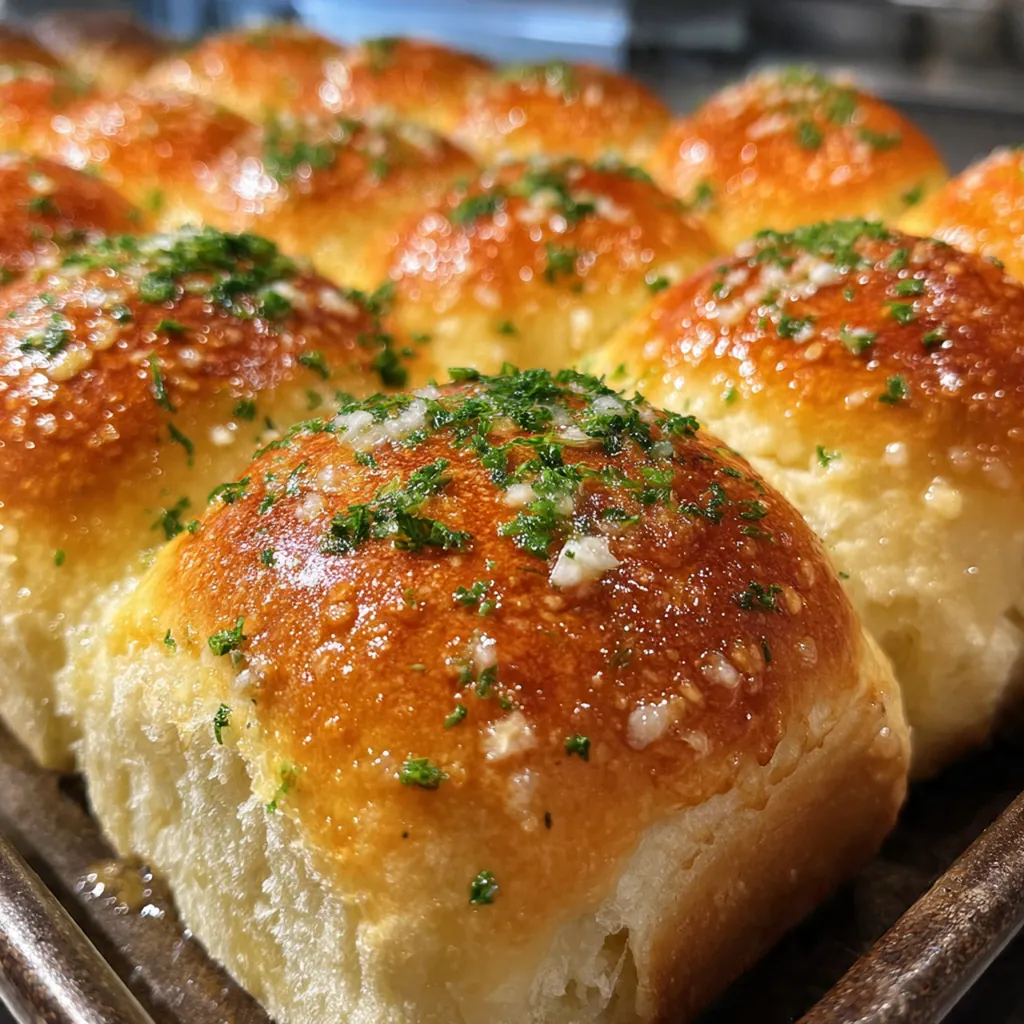
- Brush with an egg wash before baking for a deep golden shine
- Let them rest for five minutes after baking to set their structure
- My kitchen is always cold so I use the oven light trick for rising
Frequently Asked Questions
Whole milk is recommended for the richest flavor and texture in these Amish dinner rolls. The milk should be warmed to about 110°F to properly activate the yeast without killing it, which is crucial for a good rise.
Yes, you can prepare the dough and let it rise in the refrigerator overnight. Simply shape the rolls the next day and allow them to come to room temperature before the final proof and baking. This slow rise can even enhance the flavor.
If you don’t have active dry yeast, you can use instant yeast in the same amount. There’s no need to proof it in the milk; just mix it directly with the flour. However, if using fresh yeast, use about 0.6 ounces (17 grams).
The rolls are done when they are golden brown on top and sound hollow when tapped on the bottom. An internal temperature of 190°F to 200°F indicates they are fully baked. They’ll also pull away slightly from the sides of the pan.
These buttery rolls are perfect for sopping up gravy at a holiday feast, served alongside a hearty soup or stew, or simply enjoyed warm with a smear of honey or jam. They’re a classic addition to any Amish-style family meal.