

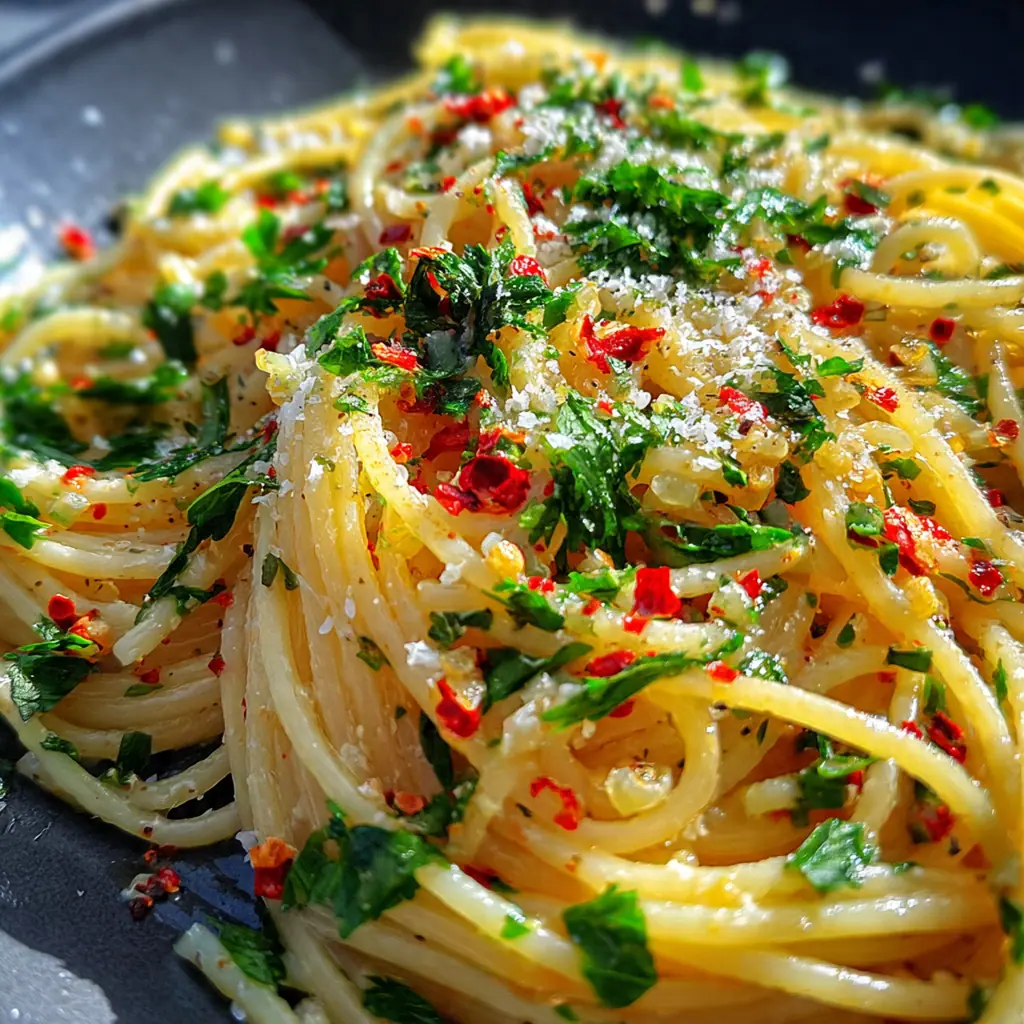
Spaghetti Aglio E Olio has been my secret weapon for effortless dinners since I first tasted it in a Roman trattoria. This classic pasta celebrates simplicity with just garlic, olive oil, and chili flakes, coming together in minutes for a punch of flavor. As an authentic Italian staple, it’s the ultimate quick meal that feels both rustic and elegant. You’ll love how a few humble ingredients can create something so deeply satisfying.
Why You'll Love This Recipe
- Ready in under 30 minutes for those crazy weeknights
- Uses pantry staples you likely have on hand
- Bold garlic and spicy chili flavor is incredibly addictive
- Easily customize with lemon zest or a sprinkle of cheese
- It’s my go-to when I need something impressive fast
Ingredients You’ll Need
- Spaghetti: Choose a high-quality durum wheat spaghetti for the best al dente texture that holds the sauce perfectly.
- Kosher salt: Coarse salt seasons the pasta water deeply, flavoring the noodles from the inside out as they cook.
- Extra virgin olive oil: The star of the sauce, so use the best you have for fruity, peppery notes that shine through.
- Garlic cloves: Thinly sliced garlic infuses the oil with a sweet, mellow flavor without burning, so pick fresh, firm cloves.
- Red pepper flakes: Adjust to your heat preference, but good quality flakes add a warm, spicy kick that balances the garlic.
- Fresh Italian parsley: Flat-leaf parsley adds a fresh, herbal finish that brightens the whole dish and cuts the richness.
- Black pepper: Freshly ground pepper adds a subtle heat and complexity right at the end, so don’t skip it.
- Reserved pasta water: Starchy water is the secret to a silky, emulsified sauce that clings to every strand of pasta.
- Lemon zest: Optional, but a bit of zest adds a bright, citrusy note that lifts the entire dish beautifully.
- Parmesan cheese: Optional grated cheese adds a salty, umami finish if you’re not keeping it vegan or dairy-free.
How to Make It
Boil the Pasta Water:
Bring a large pot of water to a rolling boil over high heat and add the Kosher salt. Salting the water properly is key because it seasons the pasta from within, making every bite flavorful.
Cook the Spaghetti:
Add the spaghetti to the boiling water and cook until al dente, about 8-10 minutes. Before draining, reserve a half cup of the starchy pasta water – this liquid gold is essential for creating a silky sauce later.
Infuse the Garlic Oil:
While the pasta cooks, heat the olive oil in a large skillet over medium-low heat. Add the sliced garlic and red pepper flakes, cooking until fragrant and lightly golden, about 3-4 minutes. Keep the heat low to avoid bitter, burnt garlic.
Add Lemon Zest If Using:
If you’re using lemon zest, stir it into the garlic oil for just 30 seconds until fragrant. This quick bloom releases the citrus oils without cooking them away, adding a bright note.
Combine Pasta and Sauce:
Drain the spaghetti and add it directly to the skillet with the garlic oil. Toss everything vigorously so every strand gets coated in that flavorful oil, which is the base of your sauce.
Emulsify with Pasta Water:
Pour in the reserved pasta water a few tablespoons at a time, tossing continuously. The starchy water will help the oil emulsify into a glossy sauce that clings to the pasta, about 2-3 minutes.
Finish with Herbs and Seasoning:
Remove the skillet from the heat and stir in the chopped parsley and freshly ground black pepper to taste. The residual heat will wilt the parsley perfectly, adding a fresh finish.
Serve Immediately:
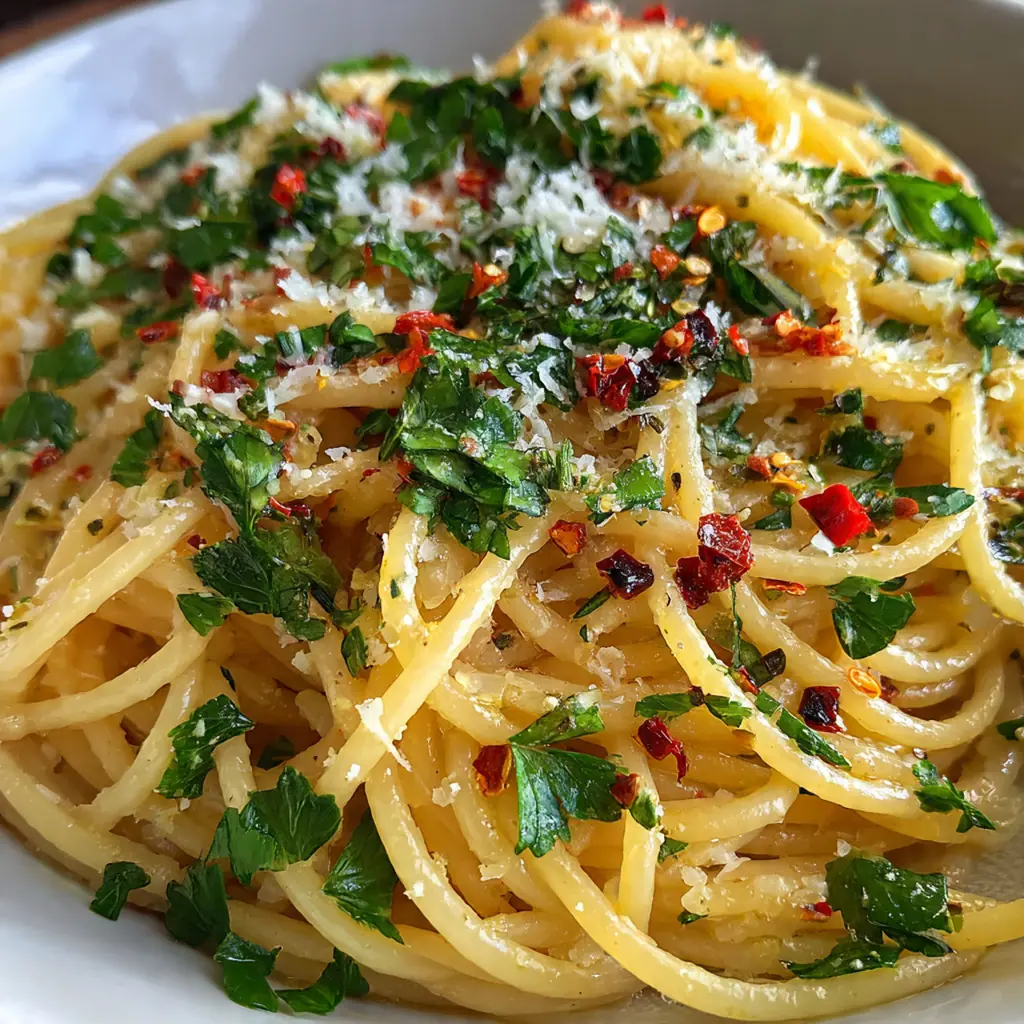
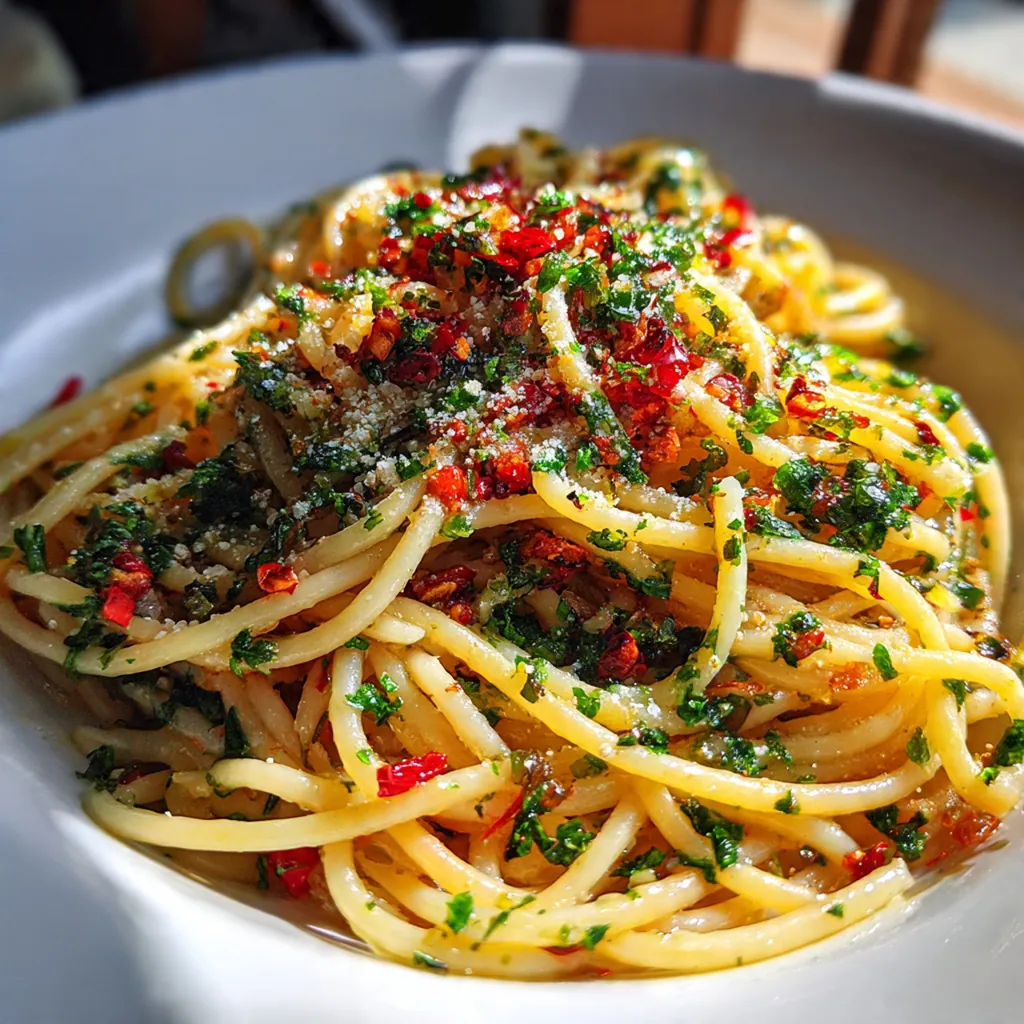
Plate the spaghetti aglio e olio right away, topped with grated Parmesan cheese if you like. It’s best enjoyed hot and fresh, so dig in while it’s glossy and aromatic.
You Must Know
- Reserve that starchy pasta water – it’s non-negotiable for a silky sauce
- Cook the garlic slowly over low heat to infuse the oil without bitterness
- Use the highest quality extra virgin olive oil you can find
- Toss the pasta vigorously in the skillet to emulsify everything properly
- I make this at least twice a month and it never fails me
Storage Tips
Store any leftover spaghetti aglio e olio in an airtight container in the fridge for up to three days. The garlic flavor tends to deepen overnight, which some people actually love. When reheating, I always use a skillet over low heat with a tiny splash of water or olive oil to loosen the sauce and bring it back to life. Avoid the microwave, as it can make the pasta gummy. Honestly, I sometimes eat it cold straight from the container – it’s that good.
Ingredient Substitutions
If you need a gluten-free version, swap the regular spaghetti for your favorite gluten-free pasta – just be sure to reserve some pasta water as it might be starchier. For a dairy-free or vegan dish, simply skip the Parmesan cheese; nutritional yeast can add a cheesy flavor if you miss it. No fresh parsley? A tablespoon of dried parsley works in a pinch, though fresh is best. And if you’re out of red pepper flakes, a pinch of cayenne or even freshly cracked black pepper will give you that heat. You can also use linguine or any long pasta if spaghetti isn’t on hand.
Serving Suggestions
I love serving spaghetti aglio e olio with a bright arugula salad tossed in a lemon vinaigrette to cut through the richness. A glass of chilled Pinot Grigio or Sauvignon Blanc pairs beautifully with the garlic and chili. Don’t forget some crusty bread on the side for mopping up every last drop of that glorious oil. For a heartier meal, add a side of roasted vegetables or some cannellini beans tossed in olive oil and herbs. This dish is so versatile that it can be a simple weeknight dinner or part of a larger Italian feast.
Cultural Context
Spaghetti aglio e olio is a staple of Roman cucina povera, or ‘poor kitchen,’ where humble ingredients are transformed into something extraordinary. It’s said to have originated as a quick meal for late-night workers or students because it requires just pantry staples and comes together in minutes. In Rome, you’ll find it served in trattorias as a classic primi piatti, often before a heartier second course. The beauty of this dish lies in its simplicity – it’s a testament to Italian cooking philosophy where quality ingredients speak for themselves. I’ve had versions in tiny Roman osterias that are seared into my memory, and this recipe brings that experience right to your kitchen.
Pro Tips
- Splurge on a good extra virgin olive oil – it makes all the difference
- Slice your garlic as thinly as possible to avoid any bitter bites
- Never, ever skip reserving the starchy pasta water for the sauce
- Keep the heat low when cooking the garlic for a sweet, mellow flavor
- Toss that pasta like you mean it to create a glossy, emulsified sauce
Frequently Asked Questions
It’s best to use thinly sliced garlic as directed. Slices toast evenly without burning, releasing a sweet, mellow flavor into the oil. Minced garlic cooks much faster and is more likely to burn, which will create a bitter taste that can ruin your Spaghetti Aglio E Olio.
This pasta is best enjoyed immediately after cooking. The sauce can separate if it sits, and the pasta can become gummy. However, you can prep the ingredients ahead—slice the garlic, chop the parsley, and measure the chili flakes—so you can cook and serve it in just 15 minutes.
If you don’t have red pepper flakes, you can use a pinch of cayenne pepper or a whole, dried red chili pod gently crushed in the oil. For a different flavor profile, a few cracks of freshly ground black pepper added at the end also provides a gentle warmth.
Cook the sliced garlic in the olive oil over medium-low heat. It’s ready when it turns a very light golden color and becomes incredibly fragrant. It should sizzle gently, not fry aggressively. Remove it from the heat just as it starts to color to prevent it from continuing to cook and burn in the hot oil.
This hearty pasta is a complete main course. For a traditional Italian meal, start with a simple arugula salad with lemon and Parmesan. A glass of dry white wine, like a Pinot Grigio, pairs beautifully. For dessert, keep it light with fresh fruit or a scoop of lemon sorbet.